Best Free Walking Tours in Warsaw
54 tours in Warsaw, Poland, in English and other languages






34,050 Reviews in Warsaw
Will we learn about Warsaw’s transformation into a business and cultural hub?
Yes, the guide will tell you how the city was rebuilt after the war and became the capital of modern Poland. You will learn about skyscrapers, cultural institutions, and the development of the old city center. It is an inspiring story of rebirth.
Do the tours include any paid activities?
The routes are always free and do not include entrance tickets. Any paid activity, such as visiting museums or observation decks, is not included in the tour. However, you can always visit interesting places after the walk.
Are the tours suitable for children?
Yes, the routes are usually simple and interesting for children, especially thanks to the stories and legends. The guide adapts the story to different audiences. In this case, it is better for you to check the age requirements in the tour description in advance.
What happens if it rains or the weather is bad?
Most tours take place even in the rain – bring an umbrella or raincoat. In extreme conditions, the excursion may be canceled, but you will be warned in advance.
Are there tips for exploring the Vistula riverbank and local nightlife?
At the end of the tour, the guide will tell you where to relax by the river, which bars are popular, and where the parties on the beach are. The Vistula is an important place for locals. The riverbank is especially lively in the summer.
Discover a City Rebuilt Between Memory and Modern Life
Warsaw is definitely NOT a quiet city. If you join a free walking tour in Warsaw, you will quickly understand why. The entire area was basically destroyed during World War II. After the war, locals started rebuilding the city bit by bit. When you walk around the Old Town (Stare Miasto), you will notice very old building fronts right next to modern skyscrapers near the Royal Castle. Our local guides will help explain how this mix came about.
Why Take a Walking Tour in Warsaw?
Many visitors book free tours in Warsaw before booking anything else. Here is why:
- The rebirth narrative. Not every city has an old town that received UNESCO status simply by being "old." However, since it had been almost destroyed, this historic neighborhood is actually composed of buildings reconstructed from scratch. This is a big part of the information your guide will share with you.
- Urban transformation. Warsaw may have felt stuck in time in the past. But today it is considered one of the top international business hubs, and a guided free tour in Warsaw can help explain just how much the area has changed.
- Riverside identity. If you mention "riverfront" to any of the local guides, you will see some excitement. For locals, the riverside areas are essentially where everyone hangs out during summer.
- Engaging for all. Regardless of whether your group includes children or history enthusiasts, guides know how to adjust all the information so that everyone enjoys their experience equally.
- Rain or shine. Tours usually continue regardless of weather conditions, but anyway, bring a hooded jacket or umbrella if there is no sun.
Warsaw Through Four Transformations
The Rebuilt Heart: Reading the UNESCO Old Town
Begin at Stare Miasto. Most of what you see today is post-1945. After WWII, people essentially rebuilt the central part of the city area almost stone by stone. Sounds unbelievable, doesn’t it? A guide will show you a rooftop or two that were duplicated directly off a Canaletto painting since there wasn’t a single photograph left to be seen. Standing next to the Royal Castle, your guide will show you where the original windows are and where the replicated windows are and why these details matter so much to the residents of Warsaw. This is a place that represents an entire nation that had been forced to recreate its own history.
The Royal and Representative City: Trakt Królewski
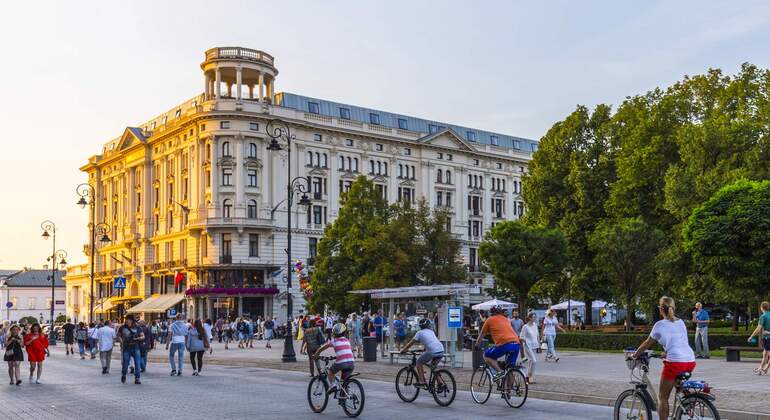
Most of the guided walking tours continue from here along the Royal Route. By walking down Krakowskie Przedmieście & Nowy Świat, you are essentially taking the same route as those who lived in the King's houses, or were Kings themselves, diplomats, etc., for many decades previously. While these parts of the city are now “dressed up” (many palaces, universities, etc.), they remain very much of an old style. Every doorway has its own unique story and historical significance. Tours normally slow down while walking through these areas due to the high density of attractions within such a small space.
The Landscape of Memory: Muranów and Jewish Heritage
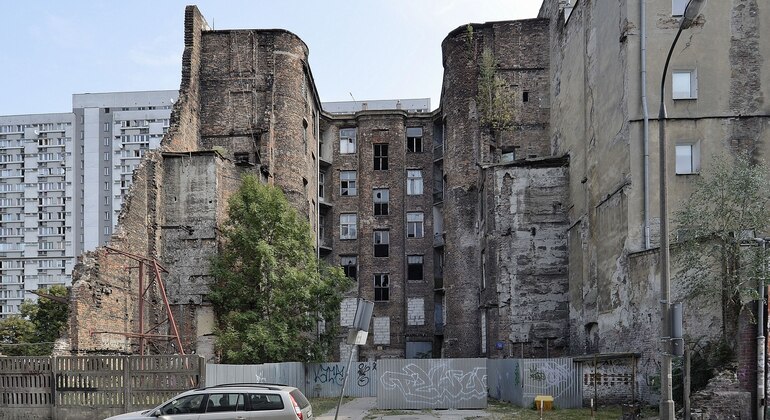
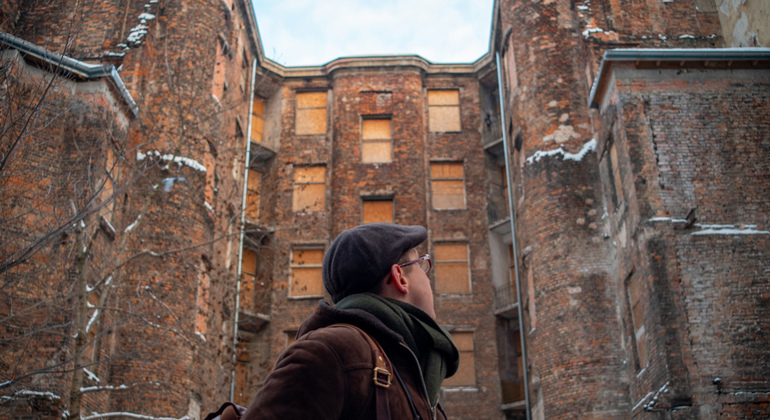
Then the walk takes a serious note. Muranów is located directly above the old Warsaw Ghetto, and taking this portion of the walk with someone who knows the past can have a much greater impact than simply reading about it when you get back home. Additionally, nearby is the POLIN Museum. This museum covers 1000 years of Jewish life in Poland — not only the sad parts alone, but also the normal day-to-day aspects as well as the culture and the people who had normal lives before everything changed.
The Modern Pulse: Business Hubs and Vistula Boulevards
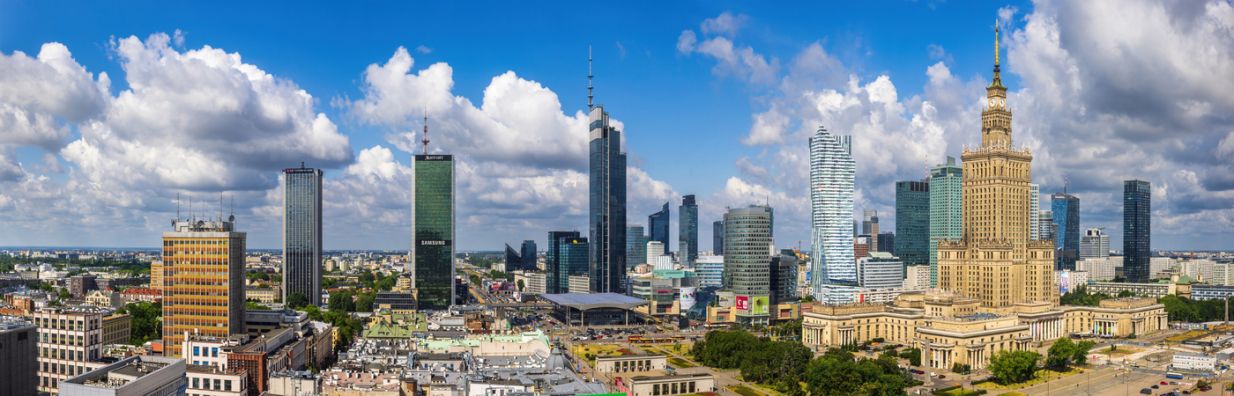
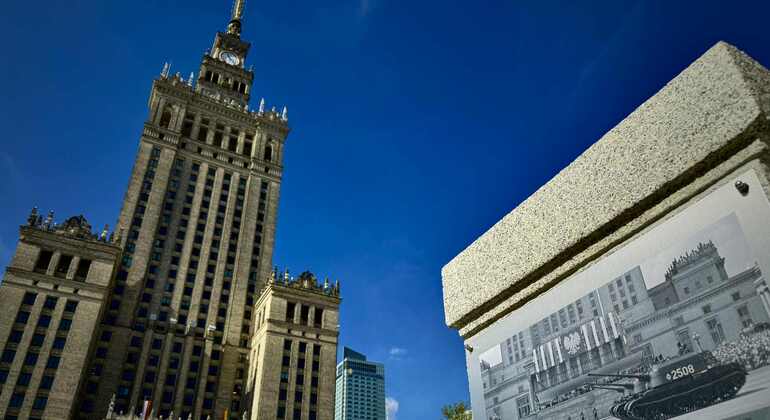
As you continue your stroll, you will experience a second change of atmosphere. There is the Palace of Culture and Science, that gigantic “gift” to the Polish People by Joseph Stalin. It may seem strange; however, this unusual skyline has its own charm. Continue to head eastward towards the Vistula River & Boulevards, and the entire ambience becomes even more changed — joggers running, food trucks parked adjacent to each other along the pedestrian route, people simply relaxing on the lawn with a cold drink.
Choose the Warsaw Narrative That Fits Your Journey
Here is how most people make their choice about which Warsaw storyline they will follow:
- First-time visitors. Choose the standard route through the historic center and the Royal Route. Easy, and you will be able to understand the rest of the city better on your own travels.
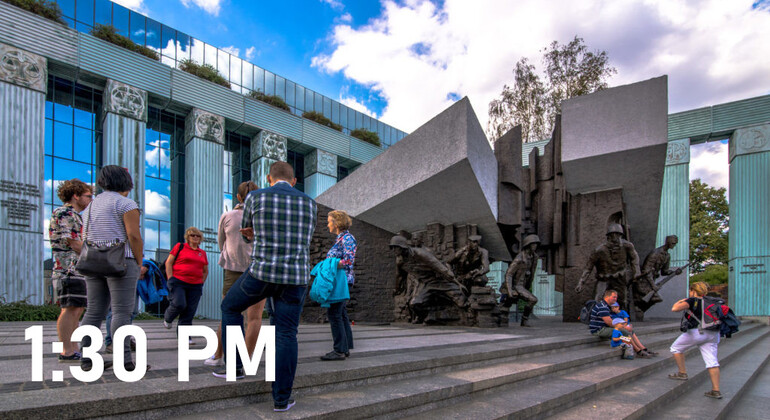
- History and WWII fans. These tours explain the events surrounding the Warsaw Uprising (1944) and the Ghetto, as well as the rebuilding of the city post-war.
- Nightlife and summer crowd. Select the late afternoon tours. Most likely, these tours will stop at the end of the day before many of the Vistula River beaches, bars, and clubs.
- Families with kids. Walking distances are shorter, and the old stories are told in a way similar to telling bedtime stories rather than being presented in a classroom history lesson style.
Why Warsaw Is Europe's Strongest "City of Reinvention" Story
You can see an open example of how Warsaw became the city we see today. In the aftermath of WWII, the people of Warsaw decided to rebuild the city. A walking tour in Warsaw will allow you to see the difference in decision making by viewing the history in some of the buildings surrounding you. You can see evidence of the past century in many areas of the city. There is also proof of what Warsaw has accomplished since. Many cities don’t express their revival in such a way, oftentimes attempting to hide their difficulties along the way. But Warsaw openly presents its previous struggles and current success side-by-side.
The Real Contrast of Warsaw: Memory vs. Energy
On one hand, you have a heavy atmosphere surrounding the Muranów and Ghetto areas. On the other hand, you have the modern Wola business area with its new tower complexes, and the riverside crowd on a Friday night who aren’t concerned with anything but having a great time. These are both equally representative of Warsaw today as they don’t cancel each other out. This is probably one of the best representations of the overall nature of this city.
Practical Rhythm: Managing Rain, Kids, and Riverside Nights
A few things worth knowing before you go:
- Weather. Take a raincoat with you. Even on rainy days, most walking tours in Warsaw continue as scheduled (Polish weather can get unpredictable).
- Kids. The guides will adjust their storytelling, so this has worked well for families too.
- No hidden costs. There are no surprise costs for walking tours. It works on a pay-what-you-wish model. However, the cost of museums such as POLIN or the interior of the Royal Castle is not included in the price of the walking tour.
- Booking. Check the language flag that follows each guide to determine which language the tour will be conducted in. Then book a tour. It takes less than two minutes on your mobile device.
Why Warsaw Stands Apart: The Logic of Survival and Style
From the revitalized riverside streets to the summer crowds, from its ever-growing skyline of glass towers to its constantly evolving street life — free walking tours in Warsaw feel much more like observing a city rather than simply going on a sightseeing adventure. Pick your preferred route on FREETOUR.com and get an insider’s perspective with a local guide. To be honest, there is no other city in Europe that packs as many contrasts into a two-hour tour as Warsaw does.

- Free Tours in 140+ countries!
- Trusted ratings & reviews!
- Free booking 100% guaranteed!
- FAQs about free tours in