
Best Free Walking Tours in Rio de Janeiro
57 tours in Rio de Janeiro, Brazil, in English and other languages













7,358 Reviews in Rio de Janeiro
What are the main attractions in Rio de Janeiro included in the tour?
You will enjoy a walk through the historic center, visiting iconic places, for example, the Teatro Municipal, and the 15th-century square, and getting to know street art and local culture.
Is the tour suitable for children and older adults?
In fact, it all depends on the tour you choose. Some routes are not recommended for children. Therefore, before booking a tour, you should study the information about it in detail on the description page.
Is the tour influenced by local festivals or events like Carnival?
During Carnival season or other celebrations, the route may vary slightly to include street performances, parades, or traditional events.
Are safety tips for tourists in Rio de Janeiro provided during the tour?
Yes, the guides will definitely share with you safety recommendations: where to be especially careful, how to wear things, and which areas are best to avoid in the evening.
Does the tour visit famous sites like the Selaron Steps or Lapa Arches?
Yes, many routes include the Selaron Steps and the Lapa Arches, especially if your chosen tour goes through the city center or the Santa Teresa area.
Discover the City Between Hills, Arches, and Urban Energy
A free walking tour in Rio de Janeiro is the best way to get beyond the surface and into the story of the city. You get to see the tall columns of the Teatro Municipal and the wild colors covering the Escadaria Selarón up close, with someone explaining what it all means. It is about slowing down and just feeling the city's rhythm as you walk.
Why Take a Walking Tour in Rio de Janeiro?
Rio is one of those cities that has something for everyone. Your guide will give you a lot of interesting information during free walking tours in Rio de Janeiro:
- Connected history. The city is best understood as a series of changes from the Centro Histórico to Lapa then on to bohemian Santa Teresa.
- Iconic landmarks. You can get close to the mosaiced stairway and the iconic Roman-inspired arches and learn the type of historical background you would never learn from a placard.
- Safety expertise. Local guides give you first-hand knowledge based upon their experience of the things you should be doing, wearing, or leaving at home when in Rio and which corners to avoid after dark.
- Festival integration. Find out how Carnival changes entire neighborhoods into large outdoor concert venues.
- Landscape context. Learn why Rio was recognized as a UNESCO World Heritage "Cultural Landscape". This is a unique example of a city where nature and urban culture exist in total harmony.
Read Rio Through Four Urban Pulses
The Historic Pulse: Downtown and Imperial Memory
Start with the area where the city of Rio de Janeiro began. It has the history of the former Portuguese Imperial court, and it is surprising how many people don’t know about the area. The beautiful Belle Époque style Teatro Municipal can be seen on Cinelandia Square, and walking distance away, the location of the historic Imperial Palace is marked by Praça XV. Guides typically slow down their pace when walking through this part of downtown Rio since this is the area in which Rio’s civic (or paper) identity formed.
The Bohemian Pulse: Lapa's Nightlife and Arches
Then the mood shifts. Lapa hums with a different kind of energy, loud and a little unruly, and its centerpiece is the Arcos da Lapa — a chunky, white aqueduct that used to carry water and now mostly carries samba beats after sunset. By day it is almost quiet under those arches; by night it is one of the loudest corners of the city. That contrast is part of what makes Lapa worth understanding rather than just photographing.
The Stair-and-Hill Pulse: Selarón and Santa Teresa
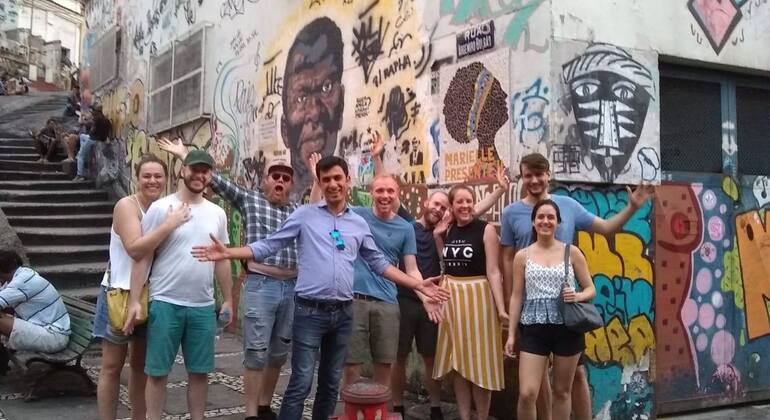
A few staircases exist in the world that perform as well as this one does. The staircase is made with a variety of tile materials, including bright yellow, bright red, and shards of mirror. The staircase was created by Jorge Selarón. He used tiles to create an artistic stairway connecting the Lapa neighborhood to the hillside of Santa Teresa. His work on the staircase ended only with his death in 2013. At the end of the stairs sits the Santa Teresa neighborhood. This area consists of cobblestone roads, older tram routes, and artists' studios hidden behind ivy-covered stone walls.
The Landscape Pulse: A City Shaped by Granite and Sea
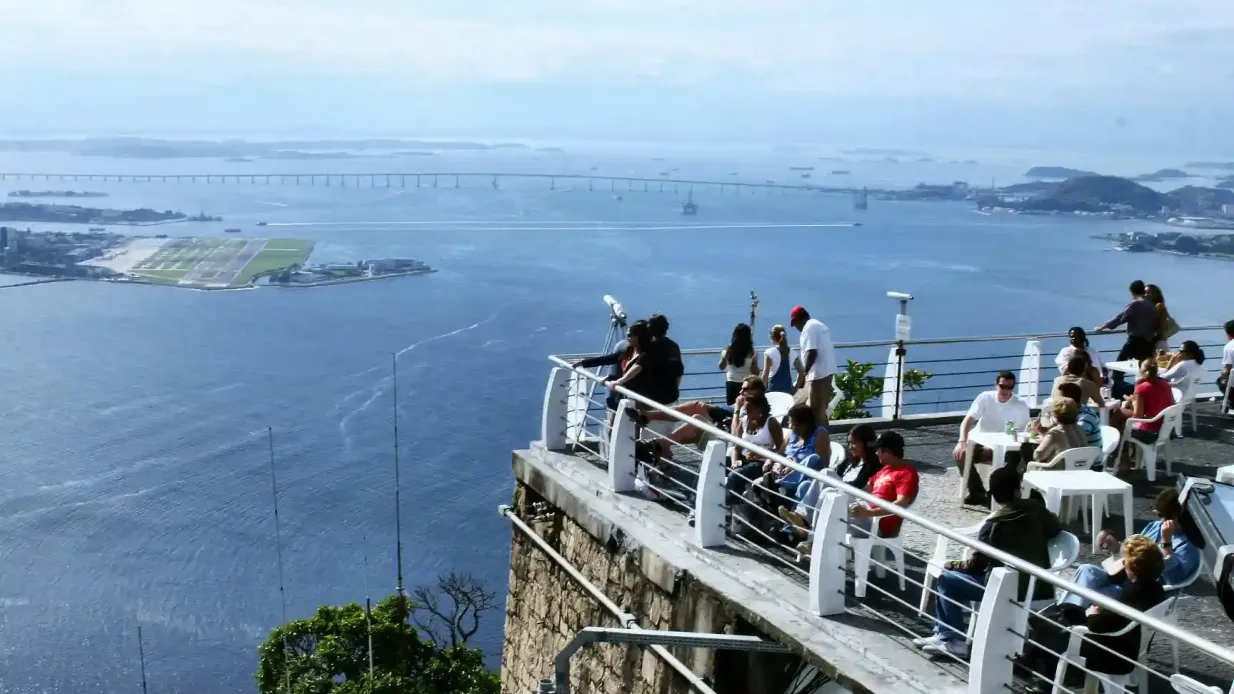
Much of the storytelling about Rio’s geography happens by itself. Corcovado & Christ the Redeemer watch over the city from one direction and the Sugarloaf Mountain (Pão de Açúcar), guarding the entrance of the harbour from the other. Between these two mountain giants lies the huge Guanabara Bay, glistening with water. Because each neighborhood grew within the tight gaps between granite peaks and the ocean, the streets naturally took on their winding layout.
Choosing Your Rio Rhythm: Custom Walking Itineraries
Not everyone wants the same Rio. And that is perfectly okay, as you can take routes based on what you like:
- First-time visitors. Stick with the downtown essentials. These are the theatre, the central area (Cinelândia), and an orientation walk through Lapa.
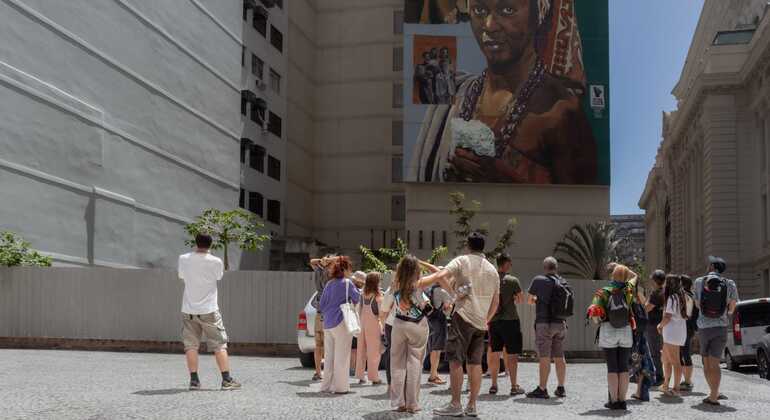
- Art & creative explorers. The best route for artistic explorers will be the mosaiced steps, the street art/murals, and the studios in the lanes of Pequena África, the historic Afro-Brazilian community regarded as the birthplace of samba and a cornerstone of Rio's African heritage.
- Festival seekers. You can contact us to find out when the festival tours happen, because like anywhere else in Brazil, one night may completely transform one part of town.
- Families & seniors. Always read the full description of each tour before booking, because some of our routes are very steep.
Why Rio Works Better as a "Movement City" Than a Monument City
Rio hands you a sequence to feel. It is more about paying attention to how one thing turns into another — an official plaza becomes a narrow alley painted with graffiti or a colonial church sits two blocks away from a bar playing Bossa Nova music. This in-between area is the part of the city that actually communicates with you. It is this type of experience that a tour in Rio de Janeiro is designed to provide for you.
The Real Contrast of Rio: Downtown Memory vs. Open-Air Energy
There are two versions of Rio, and both have their roots in tradition, but they each express the formalism or spontaneity of the city differently. One side is the formal Rio, with its grand palaces and opera houses, whereas the other is the casual, spontaneous Carioca spirit found in street music and casual gatherings. Neither of these represents the "true" Rio alone. However, when placed together, such as the marble columns of the Municipal Theater next to a group of musicians playing in a circle on another street, then a better representation of the entire city emerges.
Practical Rhythm: Managing Safety, Festivals, and Tropical Pacing
- Safety tips. Guides generally will have tips such as wearing low-profile clothing and keeping your valuables out of sight. Nothing extreme, but just general safety tips you would use when visiting any major city.
- Carnival season. During Carnival (Carnaval) & Blocos, many route options will be changed due to festivals and parades. So, while this may create longer walks, it is generally going to be a more enjoyable experience.
- Hydration. Bring sunscreen, water, and wear comfortable shoes that can handle the stairs and hills because tropical heat catches most visitors off guard. Still, many walking tours in Rio de Janeiro give their group time to rest in the shade.
Why Rio Stands Apart: The World's First Urban Cultural Landscape
Rio de Janeiro is one of the few cities that have been officially designated by UNESCO as an urban cultural landscape, and in 2020, it became the world's first World Capital of Architecture. The mountains and hills surrounding the city are part of that designation. It is the same when looking at the buildings in downtown Rio, as those were originally built as monuments to the empire and are now monuments to the culture. A two-hour free walking tour in Rio de Janeiro covers more history and geography than what many tourists would experience over several days in other parts of the world.
Ready to start your walking adventure? Browse any of our free tours in Rio de Janeiro available in the online booking marketplace — FREETOUR.com. Be sure to look for language flag badges indicating whether we offer our tours in your language. Once you have found a tour you like, click the "Book" button on that page to reserve your spot. Plus, most tours are tip-based, and all of our walking tours are led by knowledgeable local storyteller guides who know every street corner and story behind each building much better than any guidebook ever could.

- Free Tours in 140+ countries!
- Trusted ratings & reviews!
- Free booking 100% guaranteed!
- FAQs about free tours in