Best Free Walking Tours in Cusco
70 tours in Cusco, Peru, in English and other languages










2,854 Reviews in Cusco
Does the tour include the Plaza de Armas and Cathedral?
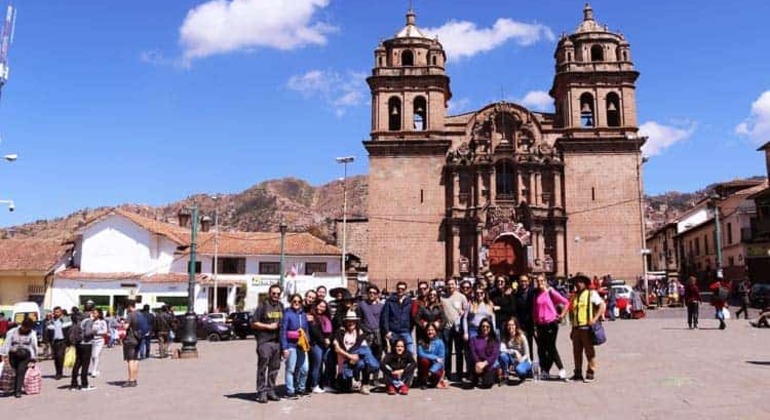
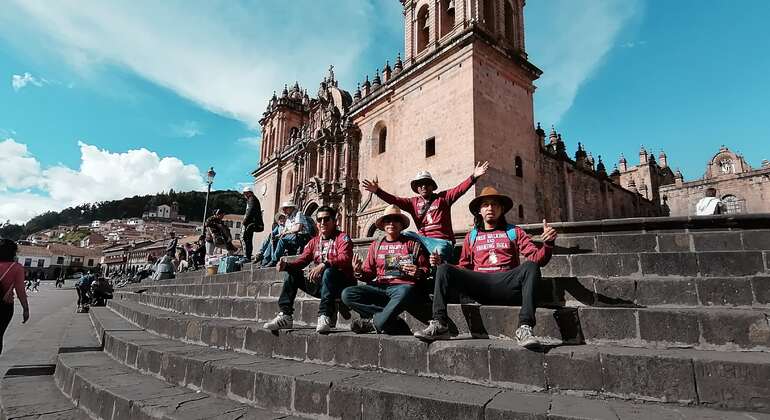
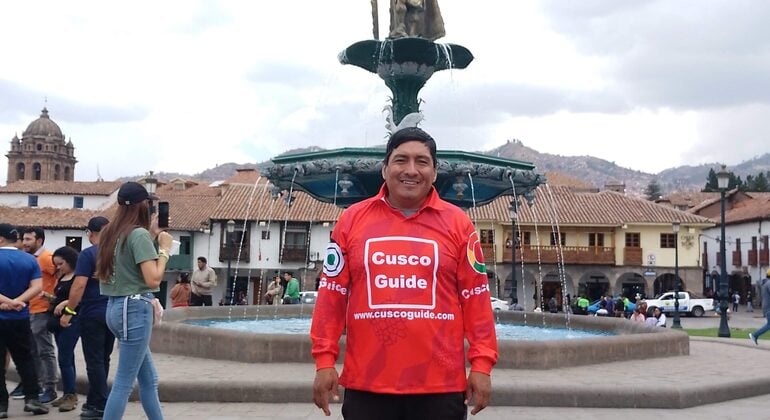
Yes, the Plaza de Armas and the Cathedral are part of the standard itinerary. These places are symbols of the city and reflect the mixture of cultures. Here, the guide will talk about the colonial architecture and its connection with the Inca history.
What cultural traditions are explained during the walk?
The tour explains religious holidays, local legends, and rituals. Guides show how Incan culture intertwines with Catholic culture. This helps to gain a deeper understanding of the unique atmosphere of Cusco.
Is the tour safe at high altitude – are breaks provided?
Yes, guides take the altitude into account and take breaks to allow participants to get used to the conditions. The pace of the walk is usually relaxed. You may also be advised on hydration and rest.
Is San Pedro Market part of the tour?
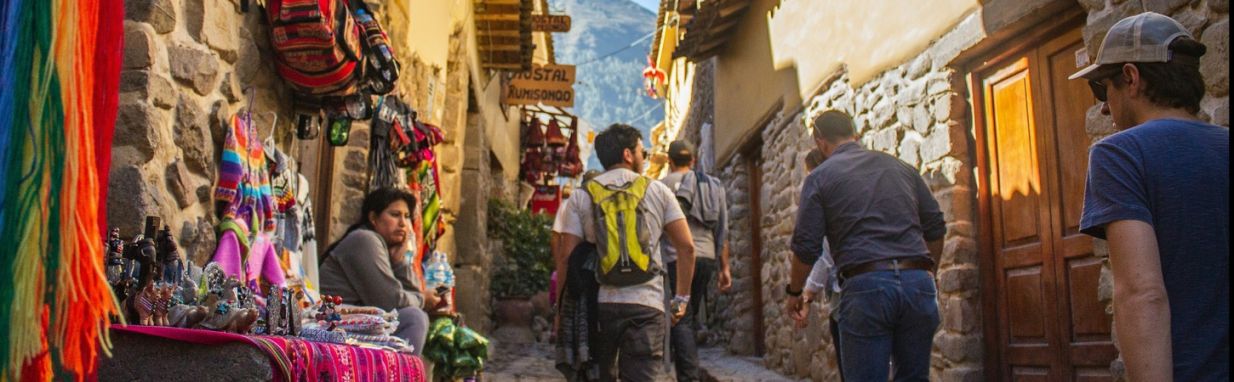
Yes, San Pedro is often included in the program, as it is a colorful market with food and crafts. Here you can see the life of the locals and try traditional dishes. This will give a special flavor to the walk.
Will we visit the Inca ruins within the city center?
Yes, the “Original Free Walking Tour Cusco” includes ruins right in the center of Cusco, such as the Coricancha temple. The guide will explain their significance and show how the ancient buildings were integrated into the colonial buildings. This is a clear example of cultural synthesis.
Read the City Where Inca Stone Meets Colonial Streets
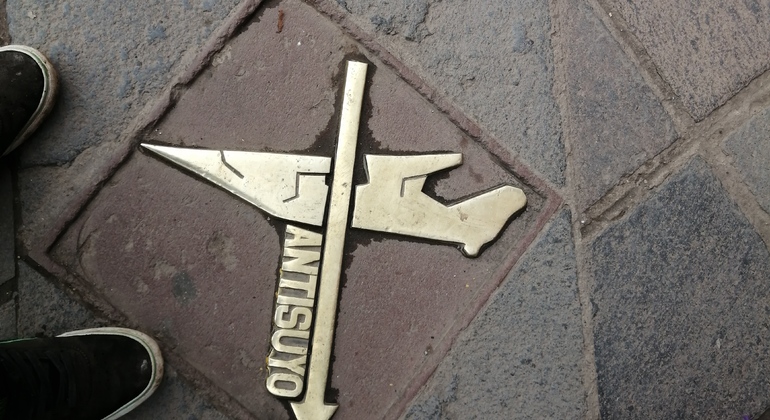
You won’t see the full story of Cusco right away. When you walk through Plaza de Armas, you will notice old Inca stone walls holding up Spanish-style buildings. For example, the Cusco Cathedral sits right atop an old Inca palace. This is the essence of Cusco — layers upon layers of stone from the Tawantinsuyu era underneath newer colonial walls. The simplest way to understand this layered history is to take a free walking tour in Cusco, because a tour guide will point out many things you would typically overlook and help you navigate these confusing streets.
Why Take a Walking Tour in Cusco?
A lot of people will tell you that you can go to Plaza de Armas and walk around. That is somewhat true. A self-guided tour may be okay. However, there are many reasons why people like to use free tours in Cusco instead of just wandering around alone. Here they are:
- Structural connectivity. When you see the different parts of Cusco as part of a single story, rather than as separate places you have to visit, you will find this city much easier to understand.
- Architectural synthesis. There are lots of old Inca walls hidden behind new colonial buildings, such as inside the Qorikancha (the old Temple of the Sun, which was later used as a convent) and other places that would be hard to notice unless a local guide takes you there.
- Cultural depth. Even though old Andean spiritual practices were incorporated into Spanish Roman Catholicism, the two cultures continue to exist together today. The remnants of this blend will be easily seen if someone shows you where to look.
- Sensible pacing. Walking tours generally take place at an altitude-friendly slow pace and include many breaks, so no matter what shape you are in when you begin, you won’t be winded.
- Efficient routing. All of the major attractions within the historic district of the city are visited during a walking tour in Cusco. So, you will spend very little time traveling from point to point.
Cusco as a City of Three Textures
Stone: The Inca-to-Colonial Architecture
This is what the locals are most proud of. Once the Spanish colonists came to Peru, they didn’t knock down the existing Inca structures. They were too strong because of their construction out of stone. Instead, they constructed additional levels onto what already existed, such as the Coricancha. Walking down Loreto Alley will allow you to see this structure for yourself. The stones fit together so well that there is no space between them. This same idea is used for the Twelve-Angled Stone. It is one reason that the older buildings made of stone were able to withstand numerous earthquakes when newer buildings collapsed.
Ritual: The Soul of Syncretic Belief
Beneath the tourist facade in Cusco lies an ancient city with remnants of an old way of thinking. Many festivals and celebrations have Catholic origins but are also laced with elements of something much older, like small offerings to Pachamama, which predate the construction of many nearby churches. This blend of syncretism and the old ways of thinking is what distinguishes Cusco from other colonial towns. Over time, the old belief systems have become so intertwined that they now act as one unit rather than being distinct.
Market Life: The Everyday Andean Rhythm
There is also another part of Cusco that has absolutely nothing to do with ancient buildings. San Pedro Market is noisy and busy, but in a positive sense. There are many piles of exotic fruits you have probably never even heard of, vendors are constantly yelling out prices, and something delicious is always being cooked up at one of the other market stalls. It is the connection between the fancy central squares and temple complexes and the everyday lives of the Cusco residents. If you would like to taste some true Andean food outside of a traditional restaurant setting, this is where you will find it.
Choose the Cusco Route That Matches Your Journey
Most people want something different when they choose a free tour in Cusco, and that is okay. And you will be able to find the one that matches your pace and interests as well.
- For first-time visitors. Most first-timers should start with an overview-type route — the main plaza, the cathedral, and the very obvious Inca walls.
- For history & archaeology purists. Most history/antiquity enthusiasts may like routes which are centered around the original stonework and how the actual city was originally constructed.
- For slower-paced travelers. You can ask for a route with more stops/breaks and less steep inclines to help alleviate some of the effects of high elevation.
- For culture seekers. Typically, culture lovers prefer to take routes through artisan neighborhoods and through the bustling markets rather than only visiting the monuments.
Why Altitude Matters in Cusco More Than in Most City Breaks
Walking tours usually aren’t an issue with oxygen levels in most city walks. But not in Cusco. At around 3,400 meters (or 11,150 feet high), there is nothing like feeling your legs start to ache and gasping for air during those initial 10 minutes. So, tours in Cusco are serious about altitude: guides move slowly enough and make enough stops that allow you to get acclimated. Instead of making that hard climb through the Andes, you will have a slow and casual stroll down each street.
Plaza, Temple, Market: The Ultimate Historic Sequence
Usually, tours begin at Plaza de Armas (Huacaypata was the name for it when the Incas had their warrior square). Once at the Plaza de Armas, you will go to the Coricancha and to a Catholic church built upon it. Finally, you will end up at San Pedro Market (where the daily life of the city occurs).
This path is simple and chronologically correct — from large and grand to historical, then to the current day. Thus, seeing the progression of how Cusco has evolved throughout time is easily accomplished by walking this route.
Cusco Beyond the Main Square: San Blas and the Vertical City
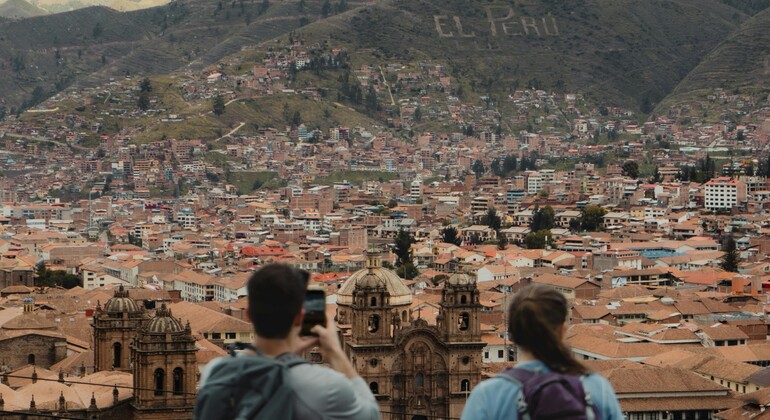
Go straight uphill from the central part of town, and you will be in the San Blas section of town, which is full of many small, winding streets as well as smaller art stores along with artisans who have worked here for years. This neighborhood has a much slower pace than downtown, and it can feel very real. Continue walking, and you will see the hills leading to Sacsayhuamán (the large stone fortification located high over Cusco). Due to these many hills, Cusco appears larger than its size would seem on a map — there are usually additional streets, views, and/or walks to take somewhere above you.
Practical Rhythm: Managing Elevation and Expectations
There are some important things to be aware of before your walking tour:
- Stay hydrated and wear sunscreen. Even if it doesn't seem too hot, the elevation can make hydrating yourself and protecting yourself from the sun a big job.
- Book ahead. Most groups on walking tours in Cusco are limited so that people have room to walk down narrow, steep streets. So, spots fill up quickly.
- Check the language. Many guides speak multiple languages. So, check the flags listed when booking your tour to avoid confusion.
Why Cusco Stands Apart: The Oldest Living Narrative in the Americas
Although this city is among the most ancient urban areas, where inhabitants lived continuously since its inception, the fact that no building was ever destroyed to build another newer structure is what defines Cusco. The original Inca structures were not demolished. Instead, subsequent construction, including colonial-era architecture, was added atop those ancient stone structures. Add to this an active Quechua culture, with the language still spoken today, and the result is a city unlike other nearby locations.
Book your free walking tours in Cusco on FREETOUR.com, enjoy a tour with a local guide who knows the city perfectly, and tip at the end as you feel appropriate.

- Free Tours in 140+ countries!
- Trusted ratings & reviews!
- Free booking 100% guaranteed!
- FAQs about free tours in