Best Free Walking Tours in Cairo
137 tours in Cairo, Egypt, in English and other languages









8,357 Reviews in Cairo
How can visitors experience a traditional Nile felucca ride?
Tourists can take a felucca, a traditional sailing boat, from Cairo's waterfront, especially in the Garden City area or around Zamalek Island. Guides on free tours often give recommendations on where to rent a boat safely and at a reasonable price.
How can I recognize the tour guide at the meeting point?
The booking confirmation will include a precise description of the guide's appearance and meeting point.
Where can tourists find the best view of the Pyramids of Giza?
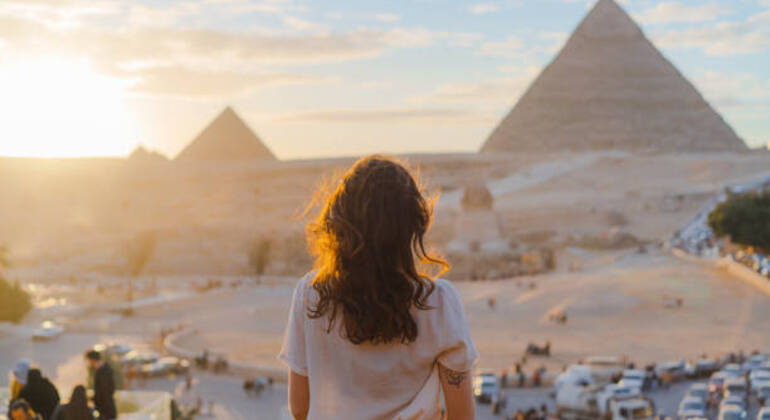
The best view is from the observation deck south of the Great Pyramid, where you can see all three pyramids.
What's unique about Cairo's City of the Dead neighborhood?
The City of the Dead is an unusual necropolis where people live between ancient tombs. The area combines historical architecture, everyday life, and religious monuments, which makes it a unique cultural space.
How does the Sound and Light Show at the Pyramids differ from daytime visits?
The Sound and Light Show is an evening multimedia performance where the pyramids and the Sphinx are illuminated while telling the story of Egypt. It creates a dramatic atmosphere that is not possible in daylight and is suitable for those who want to see the pyramids in a new light.
A City of Empires, Markets, and the Nile
You can read a hundred travel articles about Cairo and still be completely unprepared for the way the city invites you. There are the horns and the heat, and underneath all that, there is an actual history. That's why free walking tours in Cairo work here perfectly. Cairo asks for a “translator”, like someone who grew up in it, who knows that the crumbling wall you almost walked past without noticing is older than most European countries. FREETOUR.com connects you with exactly those people on a pay-what-you-wish basis. Just book a tour on a site and make sure of it.
Are Free Tours in Cairo Worth It?
Yes. A walking tour in Cairo does something that solo exploring can't. Streets in Historic Cairo don't follow grids. They follow centuries of organic growth, Ottoman modifications, and Fatimid city planning from a thousand years ago.
Here are a few things a good guide explains:
- Layered History. Islamic & Coptic Cairo is situated on Roman Cairo, which is on ancient foundations going back further than most people can picture. Without someone connecting those layers, you're just looking at old buildings. With someone — you're watching a city evolve in real time.
- Efficient Navigation. Its quarters are dense in a way that Google Maps doesn't prepare you for, but a guide cuts through that.
- Local Insight. The difference between knowing a monument's name and understanding why it still matters to the people who live next to it is enormous. Only a local bridges it.
- Flexibility. Free tours in Cairo on FREETOUR.com aren't one-size-fits-all. Routes cover different parts of the city, so you can build a trip that matches what you came for.
Cairo in Four Dimensions: How the City Opens Up on Foot
No two walking tours in Cairo follow identical ground, because the city fractures into separate worlds depending on which direction you walk. Here they are:
Historic and Islamic Cairo
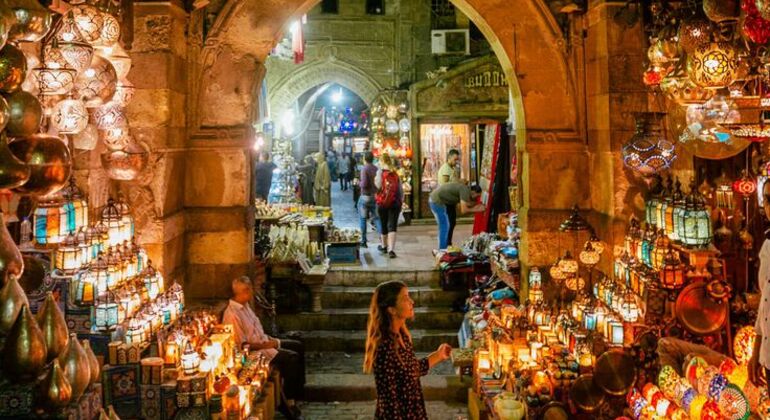
Nobody tells you Al-Muizz Street is still an actual street. It is not a museum piece. People live here. Madrasas and stone fountains crammed together for a kilometre, and most of them built during the Fatimid & Mamluk Eras and seemingly unbothered about it. One end drops you into Khan el-Khalili with a cumin and hammered copper smell. The other end belongs to the Saladin Citadel, situated on its hill like it has absolutely nowhere else to be.
Nile Cairo
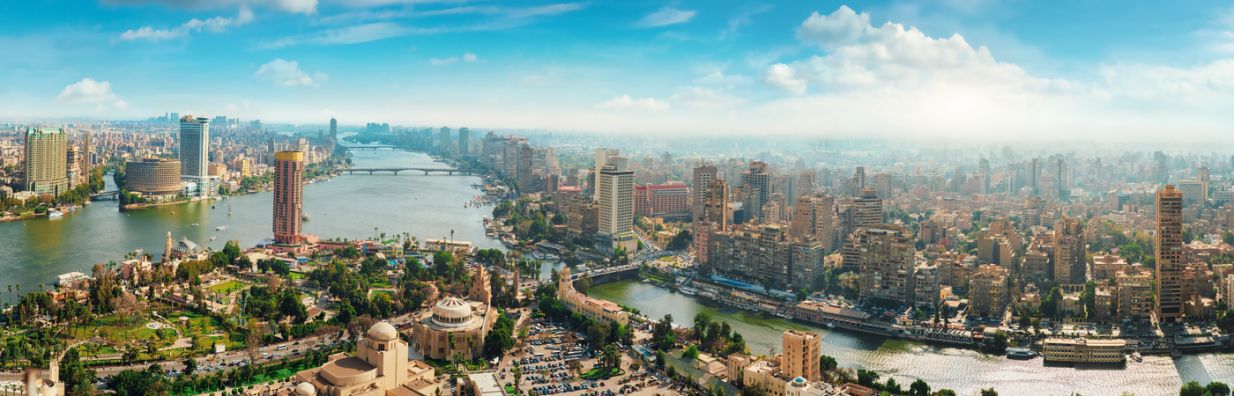
The Nile River changes your whole nervous system. One moment you're in the noise and the press of the medieval quarter, and then you cross into the waterfront neighbourhoods and something just… changes. Zamalek & Garden City move at a different pace entirely. Wide streets and colonial architecture look slightly surprised to still be standing.
If your guide recommends a sunset felucca ride from the corniche, don't overthink it. It sounds like something from a brochure. It isn't. It's one of those quiet experiences that lands differently than you expect.
Pharaonic Edge and Giza Context
The Great Sphinx is bigger than you think. This isn't a cliché. Photographs genuinely compress it in a way that standing in front of it simply doesn't. And the pyramids are older than most visitors truly realise until they're there, doing the maths in their head and coming up short.
The Giza Plateau doesn't need embellishment. But it absolutely benefits from perspective. Which angle matters, what time of day changes the light, why certain viewpoints tell the story better than others — that's guide knowledge. And if you can stay for the Sound and Light Show in the evening, the illuminated narrative projected against the Sphinx is one of those things that sounds cheesy until it isn't.
Cairo of Memory and Identity
Tahrir Square doesn't photograph dramatically. Traffic moves around it constantly. But spend fifteen minutes there with someone who can explain what the space means to the generation that grew up around it and what institutions like the Grand Egyptian Museum represent beyond archaeology to modern Egyptians, and you leave understanding something about this country that the monuments alone don't give you.
What Visitors Actually Want from a Local Guide
- Making Sense of Chaos. The city moves at a pace that feels irrational until someone explains the logic underneath it. A good guide doesn't slow Cairo down. They just hand you the key to reading it.
- Discovering the Unexpected. Take the City of the Dead — Al-Qarafa. Families cooking dinner inside tomb structures, kids kicking a ball between mausoleums, and nobody there finds it strange because it stopped being strange generations ago. A local takes you there because they know it matters.
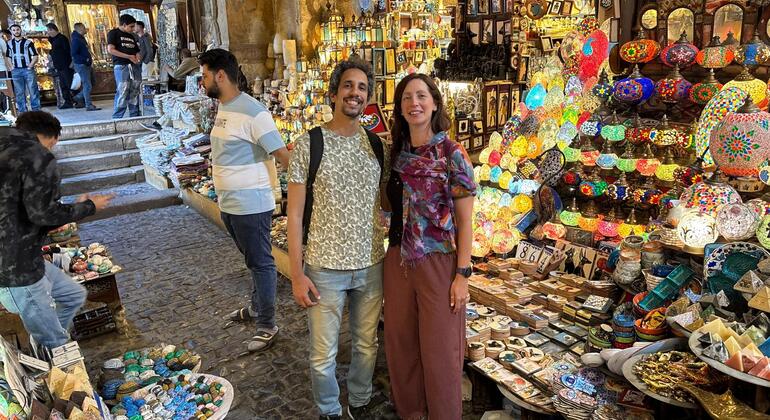
- Connecting Monuments to Life. The Khan el-Khalili bazaar isn't a tourist attraction that happens to be old. It's where Cairenes actually go. Same with the Nile waterfront on a Thursday evening. A guide shows you the difference between a landmark and a living place, and in Cairo, that difference is everything.
Essential Landmark Constellations to Explore
- The Medieval Cluster. The Citadel, the Mosque of Muhammad Ali up on the hill, and the al-Hussein area around Khan el-Khalili.
- The Museum Cluster. The Tahrir area, where old and new versions of Egyptian history are with each other.
- The Giza Cluster. Pyramids, Sphinx, the huge GEM complex nearby — half a day minimum, full day if you can.
- The Lifestyle Cluster. Nile waterfront walking, felucca rides from Garden City, and old coffee houses.
No single free walking tour in Cairo covers all of this. So, budget two or three days and book routes that build on each other rather than covering the same ground twice.
Which Cairo Experience Fits Your Style?
- First-Time Visitors. Start with the Islamic core — Al-Muizz Street, the bazaar, and the Citadel. Before pyramids, before anything else. This part of the city teaches you how Cairo thinks, and that understanding carries you through everything that follows.
- History Buffs. There are Fatimid foundations underfoot, Mamluk stonework above your head, and Ottoman details threaded through both. One street here holds more layered history than most entire cities.
- Atmosphere Seekers. Feel the sunset atmosphere on the Nile. Also, the bazaar at peak hours is unusual and really worth it. A glass of hibiscus tea (karkadeh) in a courtyard that feels like a secret even when it isn't.
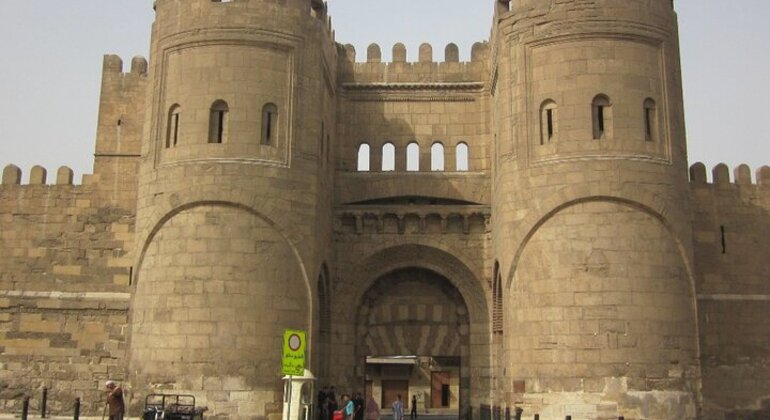
- Unusual Explorers. The City of the Dead, the hidden Fatimid gates, and the quiet pocket of Coptic Cairo sitting behind walls, most people walk straight past, never realising there's a whole world on the other side.
Practical Reality: Navigating Cairo with Comfort
- Timing & Pace. Cairo in the middle of a summer afternoon is not where you want to be. Go early (the medieval quarter before 9am is a completely different city) or wait for late afternoon when the heat backs off, and the light gets “interesting”.
- Guide Recognition. Your FREETOUR.com confirmation includes a physical description of your guide, so read it. Meeting points in this city are busy, and your guide will be waiting, holding a sign above their head.
- Local Etiquette. Carry Egyptian Pounds (EGP). Card machines exist, but can't be relied on. And understand baksheesh before you arrive. Small tips for small “help” are a social custom here.
- Comfort. Sunscreen, more water than feels necessary, and modest clothing for any religious site are a must.
Why Cairo is Better as a Story-Led Narrative
You can tick off every major site in Cairo and leave feeling like you missed the whole thing (because you probably did). The pyramids, the citadel, and even the bazaar — none of them makes full sense in isolation. That's the honest case for a free walking tour in Cairo, not convenience, not saving money (though both are true). It's that a good local guide turns a city that can feel amazing into something that actually holds together. Ancient Egypt, Islamic Cairo, and the modern Nile waterfront can be one story with one person who knows how to tell it.

- Free Tours in 140+ countries!
- Trusted ratings & reviews!
- Free booking 100% guaranteed!
- FAQs about free tours in