Best Free Walking Tours in Tirana
42 tours in Tirana, Albania, in English and other languages










5,863 Reviews in Tirana
What are the main attractions and highlights covered in the Tirana free tours?
During the free tour in Tirana, you will see Skanderbeg Square with its historical buildings and souvenir shops, the National History Museum, the Pyramid of Tirana, the Cathedral of St. Paul, and the Bunk'art Museum with exhibits about the Cold War.
In which languages are the tours available?
Tours are most often conducted in English, but you may find options in other languages such as Spanish, German, or Italian, depending on the schedule and excursion you choose.
Is the tour really free, or are tips expected at the end?
The tour is really free, but tips for the guide are welcome if you enjoyed the tour – you decide how much to leave.
How long does the tour typically last?
The tour typically lasts between 2 and 3 hours, with brief stops at the main attractions.
Where is the meeting point for the start of the tour, and how can I get there easily?
The meeting point depends on the tour you choose. Usually, these are points that are located in the central part of the city, where you will be able to easily get to. For more detailed information, go to the page with the tour description.
Tirana Free Tours at a Glance
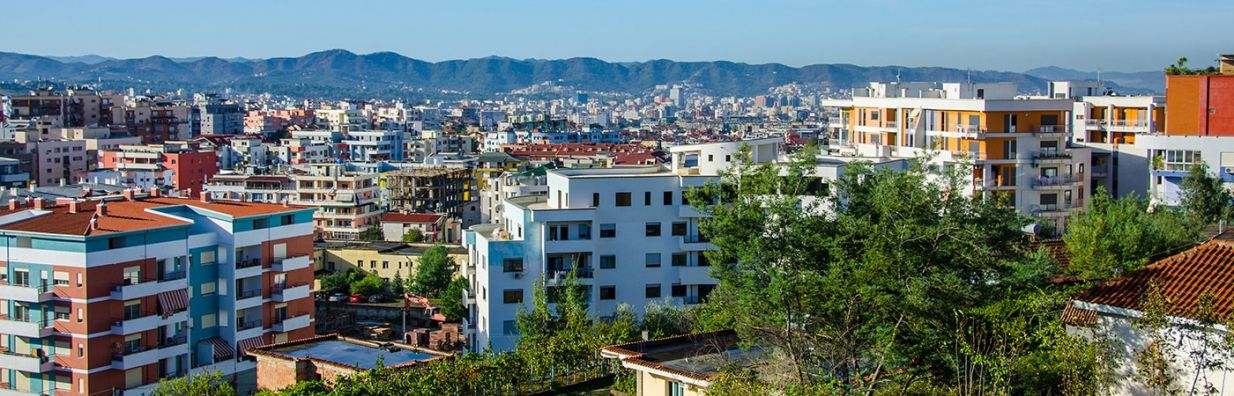
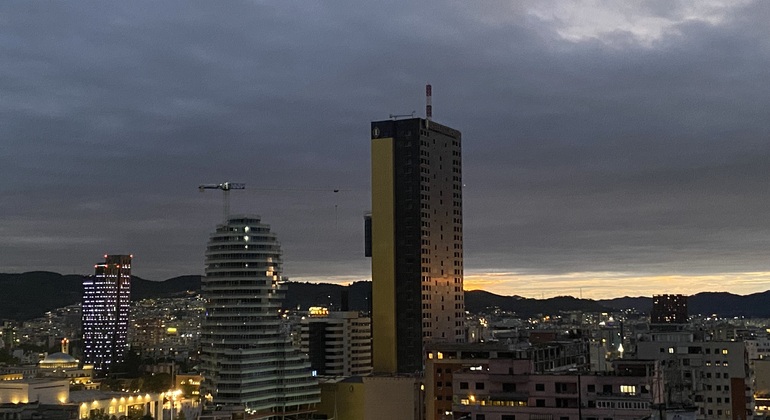
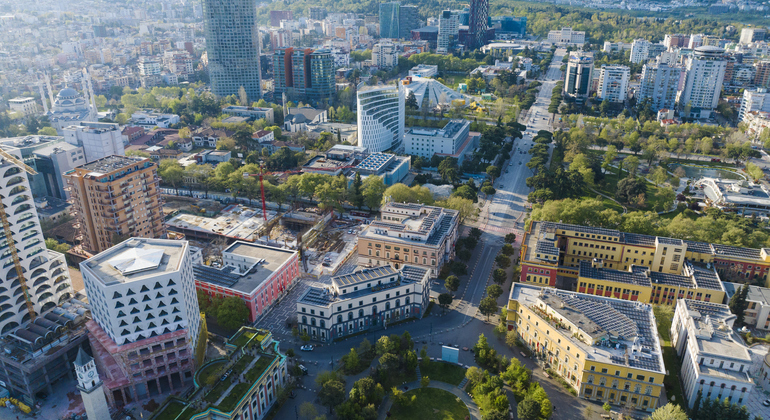
Tirana's one of Europe's weirdest capitals. There are brightly painted buildings everywhere, cafes on every corner, and this wild post-communist backstory. Free walking tours in Tirana allow you to explore the city in 2 hours with a local expert guide, visiting landmarks such as Skanderbeg Square and the Pyramid of Tirana on a pay-what-you-wish basis. Just book a tour through FREETOUR.com and enjoy your trip.
Why Choose a Guided Walk with Locals?
If you're searching for free tours in Tirana, you're probably wondering what this place even is. Most of Europe still thinks Albania's stuck in the '90s. But it is not so.
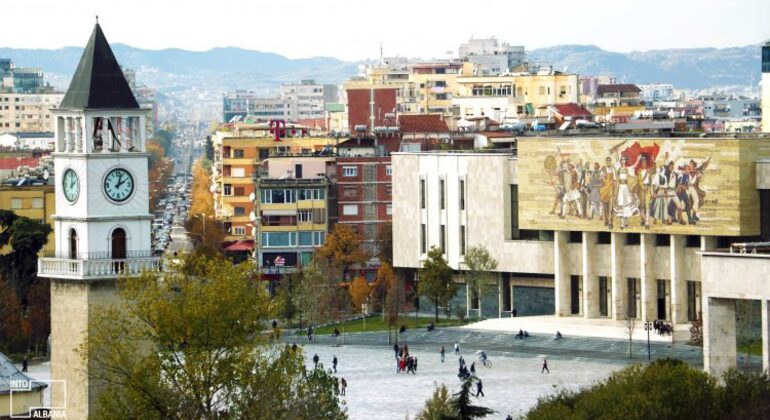
Here's what you get with walking tours in Tirana: a local who lives here explains everything. For example, why half the buildings look like someone attacked them with paint cans. Those colorful buildings weren't always there. The whole city used to be communist-grey until the former mayor (now Prime Minister) decided bright orange and purple facades would cure post-dictatorship depression.
Additionally, the history of the Cold War here is fascinating. Enver Hoxha built 750,000 bunkers for 3 million people. One bunker per four citizens. The bunkerization paranoia only makes sense when someone explains it face-to-face.
What about religious tolerance? Well, there are Et'hem Bey Mosque, Catholic cathedral, Orthodox church. After Hoxha banned religion entirely in 1967, you'd expect tension. Instead, Albanians just didn't care what their neighbors believed.
Top Sights You'll Explore
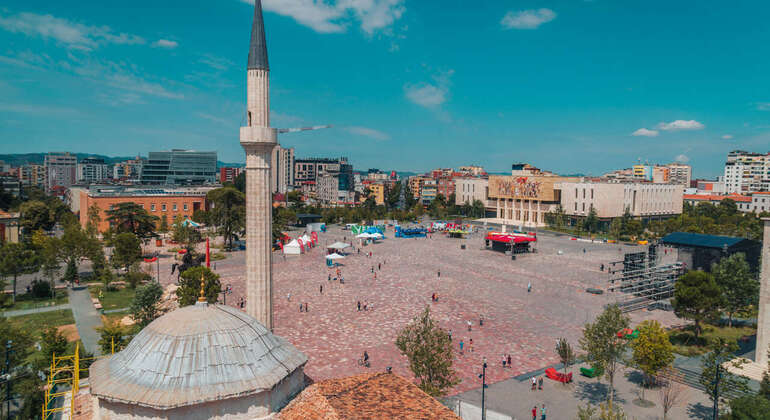
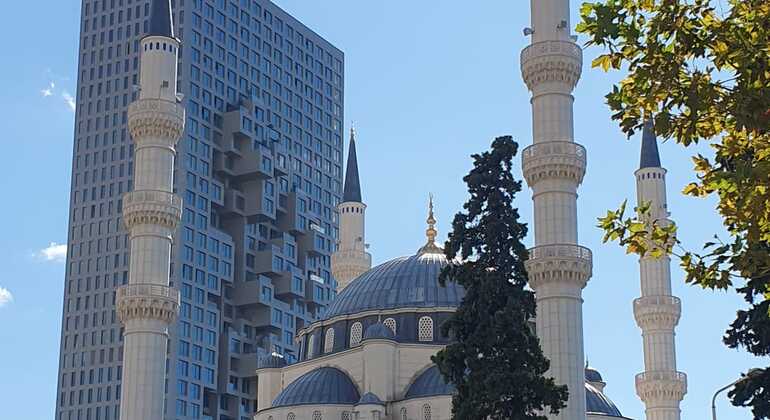
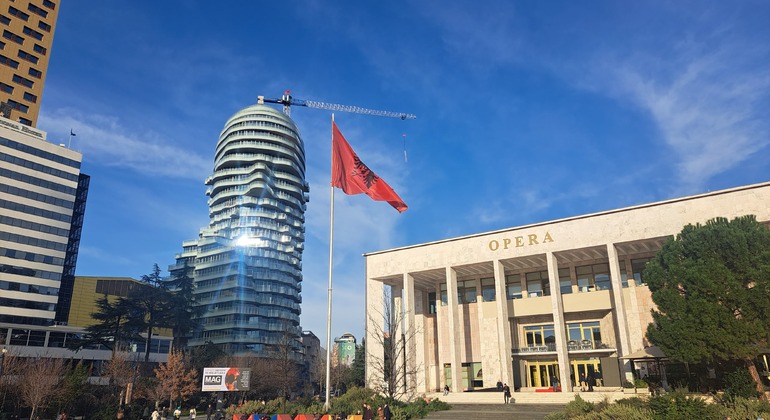
- Sheshi Skënderbej. It is ridiculously huge. The architecture surrounding it makes zero sense. You've got an Ottoman mosque, Italian Fascist buildings left over from Mussolini's occupation, Stalinist concrete blocks, and these sleek glass towers all competing for attention. In the middle, there's this statue of Gjergj Kastrioti Skanderbeg, Albania's national hero from the 1400s, who made a career out of fighting the Ottomans.
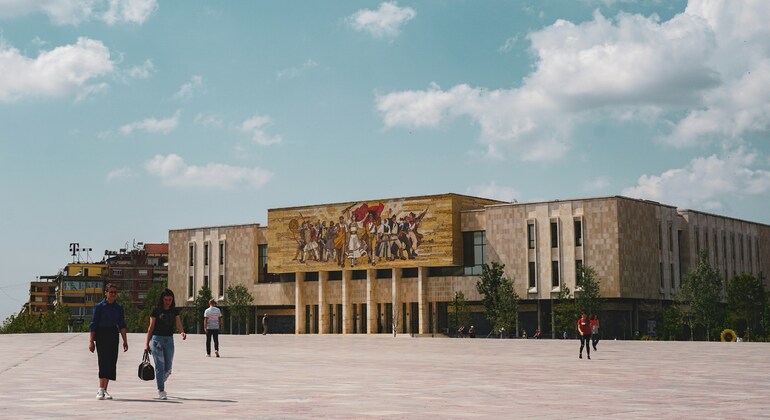
- National History Museum. You can spot it from a mile away because of this giant socialist-realism mosaic covering the entire facade. It's called "The Albanians" and shows workers, soldiers, and partisans all marching toward the bright communist future. Which, you know, didn't exactly pan out. Your guide will definitely crack a joke about it.
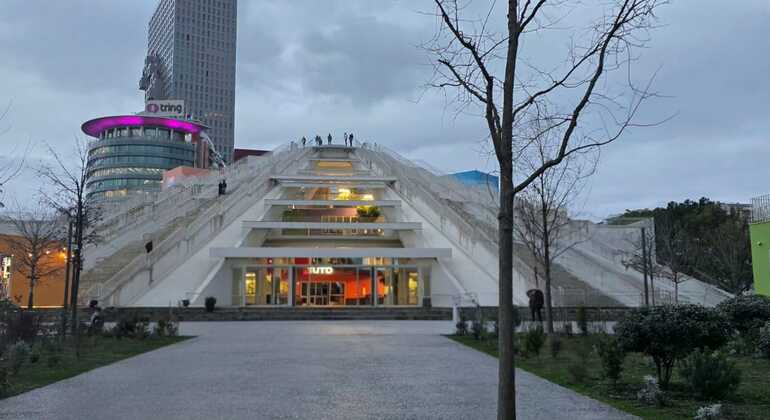
- Piramida e Tiranës. It might be the best thing in the city. This brutalist concrete pyramid was originally built as a museum glorifying Hoxha. His own daughter designed it. After communism collapsed, nobody could figure out what to do with it. For probably twenty years, local kids just used it as a skate park. Then someone had the idea to turn it into a cultural space with cafes and startups.
- Bunk'Art 2. You're standing on a normal street, and your guide mentions there's a massive anti-nuclear bunker directly underneath your feet. Built in the '80s, completely secret, designed to keep government officials safe if the Cold War went hot. They explain the whole paranoid backstory from outside, but going into the actual museum requires a ticketed entry.
- Katedralja e Shën Palit. It is the modern Catholic cathedral, built in the 2000s after religion was legal again. The architecture looks deliberately different from everything around it.
- Xhamia e Et'hem Beut. It somehow made it through Hoxha's years when he was demolishing practically every religious building in the country. This 18th-century Ottoman-era mosque survived mostly by accident. Now it's right there on the main square.
Popular Free Walking Tours in Tirana
Tirana Historic Center Walking Tour
This is the "I just got here and don't know anything" tour. You'll cover Skanderbeg Square, the main landmarks around it, and get the broad strokes of Albanian history from Ottoman times through independence and the messy transition to democracy.
Tirana Communist History Tour
If you're here specifically for the Cold War weirdness, this is your tour. Explore the bunkers, the espionage, the total isolation, what daily life was actually like. Guides on these tours usually share family stories that didn't make it into any official history book.
Tirana Culture and Lifestyle Tour
You'll spend time in Blloku, which used to be completely off-limits to regular citizens. It was the exclusive zone for the communist elite. Now it's where everyone goes for rooftop bars and overpriced cocktails. You'll also get into Albanian coffee culture, street art, and even urban development projects.
What to Expect & Practical Tips for Your Tour
- Typical Logistics. Most walking tours in Tirana run 2–3 hours, covering about 2–3 kilometers with groups of 10–20 people.
- Terrain. The city center is incredibly flat. There are no hills, no steep climbs, just easy pavement walking that won't destroy your knees.
- Currency. Albania uses the Lek (ALL), though Euros work in most places. Just grab local cash for the byrek vendors and tipping your guide. The pay-what-you-wish model on free walking tours in Tirana means you decide afterward.
When is the Best Time to Visit?
Spring and Autumn
March through May and September through November are the best. The weather is comfortable enough to actually enjoy the city. Cafe terraces are packed, the trees along Dëshmorët e Kombit Boulevard are green, and you can stand in the sun without feeling like you're melting.
Summer
July and August are really hot. We're talking 35°C and no shade in the middle of Skanderbeg Square. If you're coming during the summer heat, book a 9 or 10 AM tour, or go in the evening around 6 PM.
Winter
December through February means fewer tourists. It's cooler, sometimes rainy, but if you don't mind that, the experience feels more personal. Events like the Tirana International Film Festival can make winter visits more interesting.
Practical Tips for Booking Your Spot
- Book ahead. A popular free tour in Tirana fills up fast. Showing up without a reservation might mean no spot for you. The confirmation email gives you the exact meeting point and the guide's contact.
- Check FREETOUR.com first to see what's running. Not every tour is the same. Read the descriptions and pick based on what you actually want to hear about.
- Ask questions during the tour. Good guides expect it, and usually the best stories come out when someone asks about something random. Moreover, locals know which places serve real fërgesë and which ones are tourist traps charging triple.

- Free Tours in 140+ countries!
- Trusted ratings & reviews!
- Free booking 100% guaranteed!
- FAQs about free tours in