Best Free Walking Tours in Buenos Aires
105 tours in Buenos Aires, Argentina, in English and other languages











77,745 Reviews in Buenos Aires
Will we get to see the colorful streets of La Boca or any tango spots?
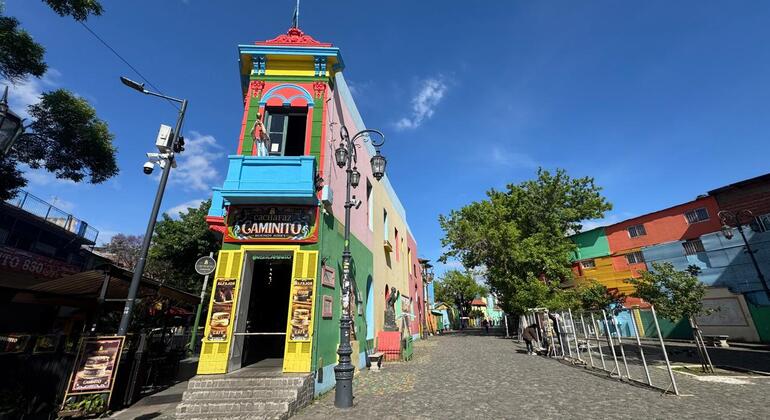
Yes, for example, the “Discover La Boca Through Local Eyes” tour includes a walk along the colorful streets of La Boca, where you will see the famous painted houses and hear tango music. The guide will show you the iconic places associated with this dance and tell you their stories.
How long is the walk? Should I bring comfy shoes and water?
The tour lasts about 2-2.5 hours, with several stops. You should choose comfortable shoes, and be sure to bring drinking water with you – especially in hot weather. This will make your walk more comfortable.
Is the guide someone local who knows secret stories or fun facts?
Yes, all the guides are locals who share facts and personal stories, legends and tips. You will hear funny anecdotes and little-known details about the city.
Can I just join on the day, or do I need to sign up somewhere?
Unfortunately, you can't just join the group. To guarantee a place, you need to sign up in advance using the form that you will find on the right side of the page with the tour description.
Will the guide speak English or mix languages?
The most popular languages of the excursions are English and Spanish. We also have tours in Portuguese, German, French, and Italian, but there are not many of them.
Discover the City Neighborhood by Neighborhood
Buenos Aires doesn't reveal itself immediately. You arrive, walk around, think you understand the city, and then something changes. That's when the city actually opens up, and that's where a good free walking tour in Buenos Aires matters. FREETOUR.com pairs you with residents who guide you tip-based through the city's “contradictions”, such as Plaza de Mayo's political weight, San Telmo's quiet streets, La Boca's wild color, and so on, in just 2 hours.
Why Take a Walking Tour in Buenos Aires?
- Neighborhood focus. Buenos Aires is not a collection of monuments. It is rather a collection of neighborhoods. Each has a distinct character, and moving between them on foot is the only way to feel how different they are.
- Cultural connection. A local guide can connect tango, architecture, food culture, and daily Porteño life into something coherent. Without that thread, you will not understand the city.
- Real stories. Guides on FREETOUR.com are residents. They tell you the things that no guidebook tells. For example, it can be some embarrassing history, the local legend, the thing everyone who lives here knows, and nobody thought to write it down.
- Themed depth. Free tours in Buenos Aires aren't city overviews. They tell more about specific neighborhoods, like La Boca, San Telmo, or Recoleta.
- Sign-up policy. It is better to sign up in advance via the site. This way, the groups are structured, and guides know confirmed numbers of people.
Buenos Aires in Four Urban Scenes
Plaza de Mayo and the Civic Core
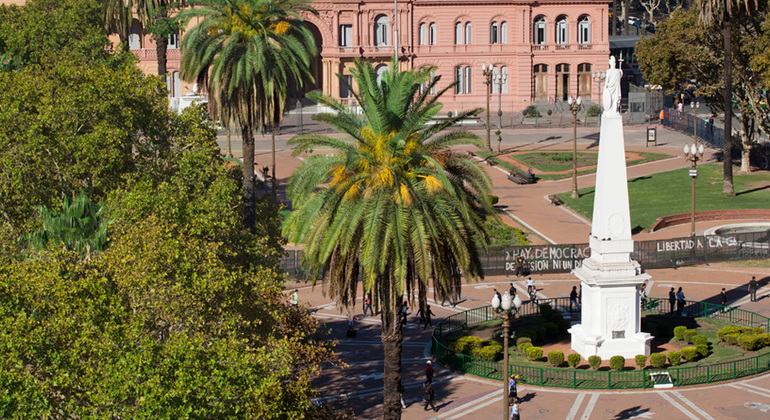
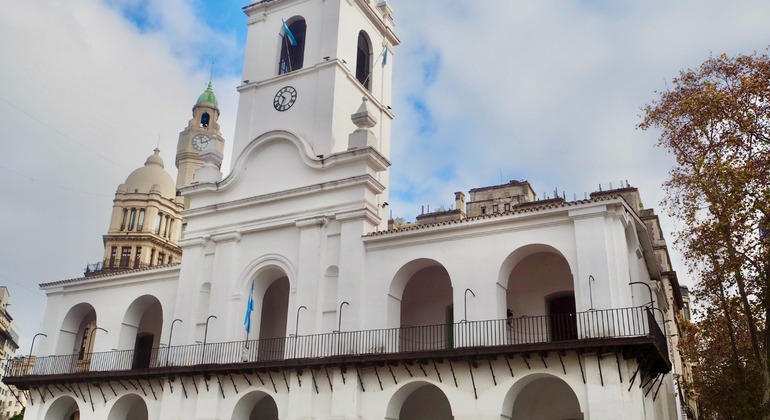
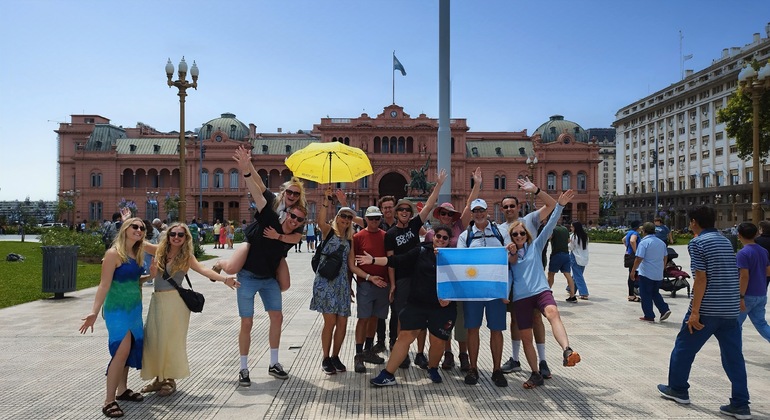
Start here. Plaza de Mayo is one of those public spaces that has absorbed a lot of history. It really feels slightly heavier than an ordinary square. At one end — the Casa Rosada, the famously pink executive mansion and office of the President. Around the square, the Cabildo and the Metropolitan Cathedral that was once the colonial center of a vast territory. Marches begin here. Today, the whole city comes to this square to protest or have fun, depending on the situation. On a walking tour in Buenos Aires, your guide will not just name these buildings. They will explain what happened there, which is a different thing entirely.
San Telmo and the Bohemian Side of the City
San Telmo is the city's oldest neighborhood. Buildings here lean a little, and there's this slow, caffeinated energy in the air. Artists came here decades ago because rent was cheap (long before anyone thought it was cool). The antique market on Defensa still runs every Sunday, like it was forever. And the Bares Notables are everywhere. Most importantly, these aren't recreations or theme restaurants. They're real, and locals still go there to argue, read the book, or just sit and relax.
La Boca, Caminito, and Visual Identity
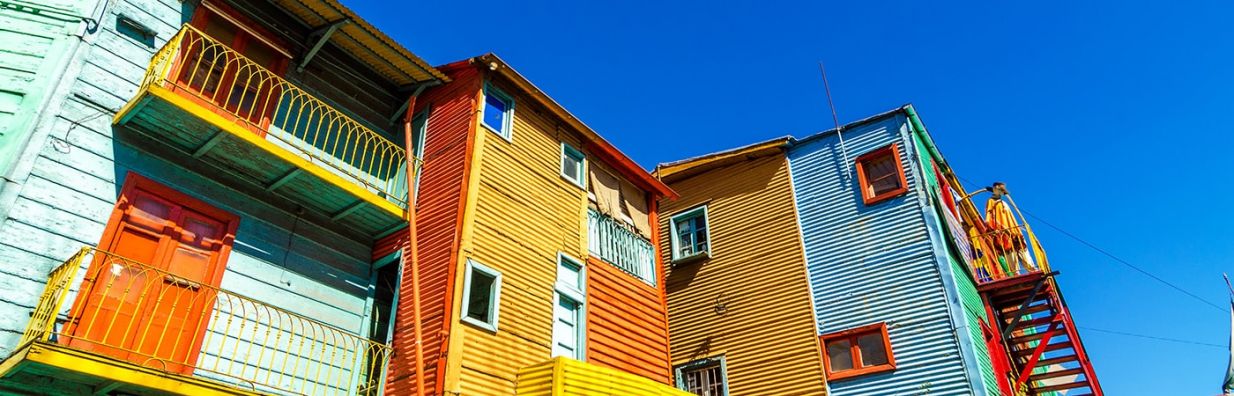
La Boca is bright. The streets are loud, and the whole neighborhood sounds at a volume slightly above the rest of the city. What’s interesting is that Caminito (the famous open-air street museum) started as an improvisation. Italian immigrants built tenement houses from ship metal and painted them with leftover paint because good building materials cost money they didn't have. That practical decision became an aesthetic, and that aesthetic became identity. From here comes Fileteado porteño, which is the ornate traditional decorative painting style native to the city. And the roots of tango as a music form are from here too, among dock workers with nowhere particular to be on a Sunday.
Recoleta and the Elegant Face of the City
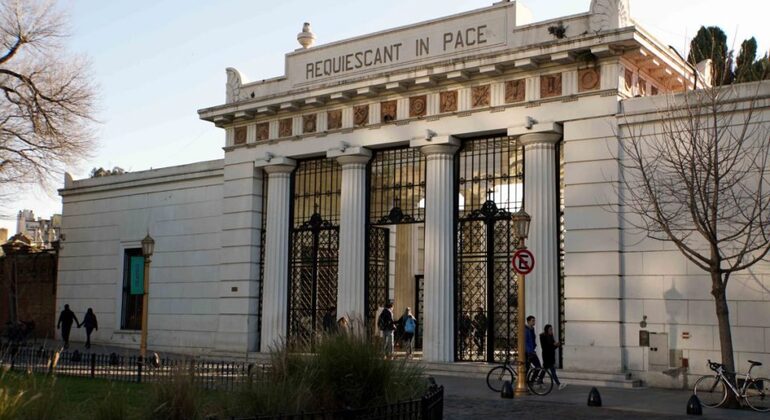
Choose Recoleta among free walking tours in Buenos Aires. It is where the city can show its best. The avenues are wide, and the architecture is French-influenced and maintained. Everything suggests a certain comfort with old money and long dinners with wine. The Recoleta Cemetery is one of the genuinely strange experiences the city offers. It is not morbid, exactly, but architectural and historical, surprisingly. The mausoleums are little buildings, and the lanes between them form a miniature city. Eva Perón is buried here, which draws visitors from every country in the world and tells you something about the reach of her story, decades after her death.
Tango, Cafés, and the Porteño Way of Life
- The spirit of tango. This dance earned UNESCO Intangible Cultural Heritage status. It didn't start in theaters or government initiatives. It grew in cramped immigrant tenements near the port, where Italians, Spaniards, and Argentines from the interior crammed together and created something entirely new out of shared dislocation and longing. Milongas (the neighborhood dance halls) still run on weekend nights, with locals who didn't come to perform for anyone. They came to dance because that's what you do. It can be called the same social practice that's been running for over a century, adjusted slightly for new generations but fundamentally unchanged in spirit.
- Social anchors. Café culture here isn't about grabbing something to go. Historic spots like Café Tortoni function as social anchors where people sit for hours. Also, there's mate, which is a bitter, herbal, caffeine-rich drink. Refusing it feels rude because the drink itself doesn't matter as much as the gesture. Sharing mate is a small daily ritual that says you're part of something, even if that something is just an ordinary afternoon with people you halfway trust. As they say — very Porteño, which means building entire social codes around the smallest, most repeatable acts of connection.
Choose the Walking Tour Style That Fits Your Trip
- For first-time visitors. The base is Plaza de Mayo, the Casa Rosada, and the historic center. Here you can orient and understand the political geography, and then go off on your own.
- For atmosphere seekers. You can visit San Telmo for the Sunday antique market and authentic cafés. The difference between a place locals go and a place designed to look like people go is obvious once you're inside.
- For color & music. La Boca and Caminito are a must. It is where the neighborhood's wild paint job and tango's origin story are basically the same thing told in different formats, like one visual, one audible, but both born from the same immigrant desperation and creativity.
- For high-society history. Visit Recoleta for the cemetery and the quiet sense that this part of town once tried to become Paris and got closer than it probably should have. This is still visible in the “bones” of the place.
Why the Argentine Capital Is Built for Walking Exploration
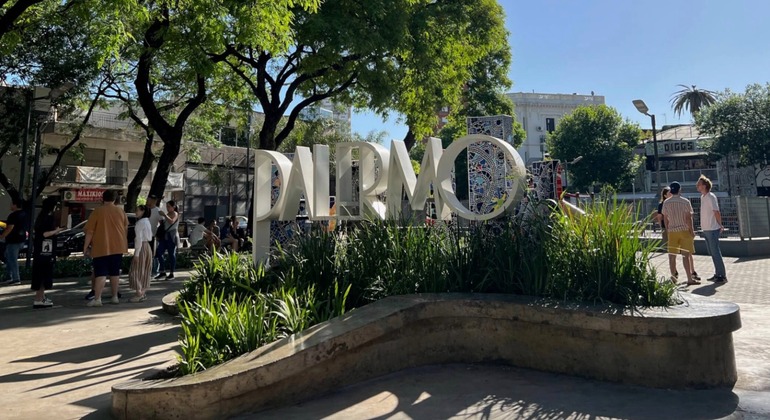
It seems that the city shifts character every corner and that's not a travel-writing cliché, it's true. For example, the Obelisco is situated on 9 de Julio Avenue, the widest street on earth, and within twenty minutes walking, you go from Puerto Madero's sleek glass towers to the scruffy creative Palermo Soho and Palermo Hollywood. These places don't feel like they belong to the same urban plan. Actually, the city grew in layers, each decade adding something that wasn't designed to fit with what came before. And each free tour in Buenos Aires connects those contrasts into something one.
Practical Notes for Free Tours in Buenos Aires
- Duration. Tours run between 2 and 2.5 hours if they are ordinary walking tours (there are also day trips that last longer). So, it is better not to pack your schedule tight right after, as you'll want to take a rest, and rushing straight to lunch or something like that kills the momentum of actually processing what you just saw.
- Shoes and water. Wear something comfortable. Take water with you, particularly between November and March, when Buenos Aires is aggressively hot.
- Languages. English and Spanish are the most common. FREETOUR.com also offers tours in Portuguese, German, French, and Italian. Just check availability when booking.
- Booking. Use the online form on FREETOUR.com to book a tour in advance. Don’t show up assuming you can join on the day. You will likely not.
Buenos Aires Beyond the Checklist
If that is not enough, you can additionally visit Teatro Colón, which is supposedly one of the world's best opera houses. In contrast, it may feel almost funny in a city where football matches between Boca Juniors and River Plate turn into near-religious experiences every weekend. What’s more, Argentine asado is technically a barbecue tradition but is actually a social event that can last four hours and involve more meat than seems possible. But none of this feels contradictory here. Buenos Aires has always been like this.
Walking tours in Buenos Aires from FREETOUR.com don't try to explain that away. They just show you how it all fits. A city that's survived a lot of hard things still wants to argue, eat, dance, and stay up late talking. The energy's still there. Walk it yourself. That's really the only way to get it.

- Free Tours in 140+ countries!
- Trusted ratings & reviews!
- Free booking 100% guaranteed!
- FAQs about free tours in