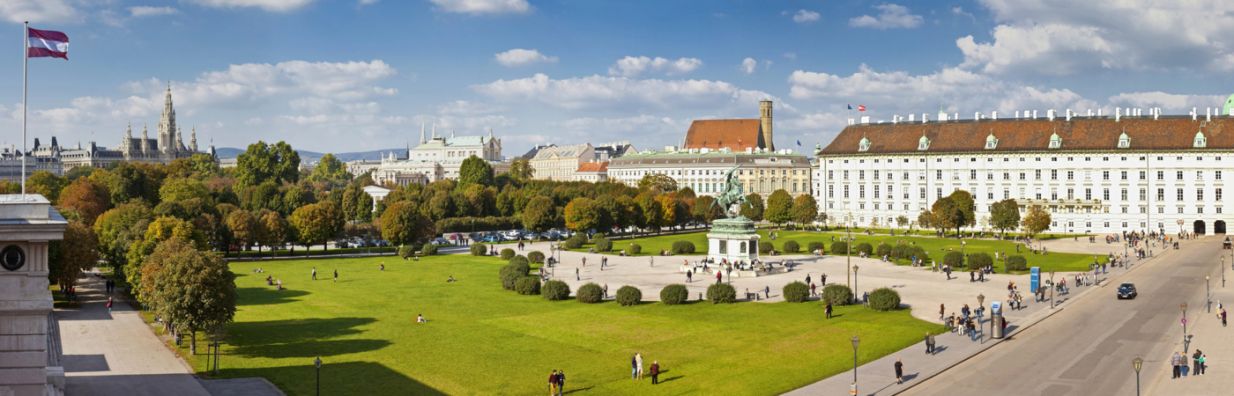
Best Free Walking Tours in Vienna
191 tours in Vienna, Austria, in English and other languages







27,272 Reviews in Vienna
Are the free tours in Vienna really free?
Yes, these tours are free to book. Moreover, at the end of the walk, you will have the opportunity to leave a tip to the guide to evaluate and encourage his work, especially if the Vienna free tour was interesting and useful to you.
How long does the tour last, and what should I bring?
Tours often last about two hours. Thus, you should wear comfortable shoes and also be sure to take sunscreen, a rain jacket (if the forecast calls for rain), and drinking water.
What landmarks and attractions are included in the free tour of Vienna?
Guides usually include the most popular attractions in their tours like the Schloss Belvedere and Schloss Schönbrunn palaces, Michaeler Square, St. Stephen's Cathedral, and the Jewish Quarter.
Do I need to book in advance, or can I join on the spot?
If you don't want to be embarrassed, then it's best to always book your tour before you arrive in town. After all, places are always limited, and you may simply not get on the desired tour if you go to the meeting point.
In which languages are the free tours available?
The Vienna free tour can be chosen in your preferred language. Our guides currently speak German, English, and Spanish.
Which tours are the most popular in Vienna?
The most popular tours include “Free Tour Vienna: Top Highlights” for its comprehensive city overview and “Free Walking Tour: Vienna Highlights” for classic sightseeing and local stories.
Which tours should beginners choose?
Beginners to Vienna should start with “Free Walking Tour: Vienna Highlights” for an essential introduction and “Free tour of Vienna: discover the city through its inhabitants” for accessible local insights.
Quick Guide to Free Tours in Vienna
Vienna throws a lot at you fast. There are centuries of imperial history packed into streets you could cross in twenty minutes. You can wander it alone, sure, but a free walking tour in Vienna is what turns "nice architecture" into actual understanding. Guided city walks led by local professionals will let you explore iconic landmarks like Stephansdom and Hofburg Palace on a pay-what-you-wish basis — just a tip at the end.
The Value of a Guided City Walk
Vienna's historic center is compact and walkable, but compact doesn't mean simple. First-time visitors often find themselves moving from one impressive facade to the next without a thread connecting any of it. A guide gives you that thread, and once you have it, the whole city clicks into place.
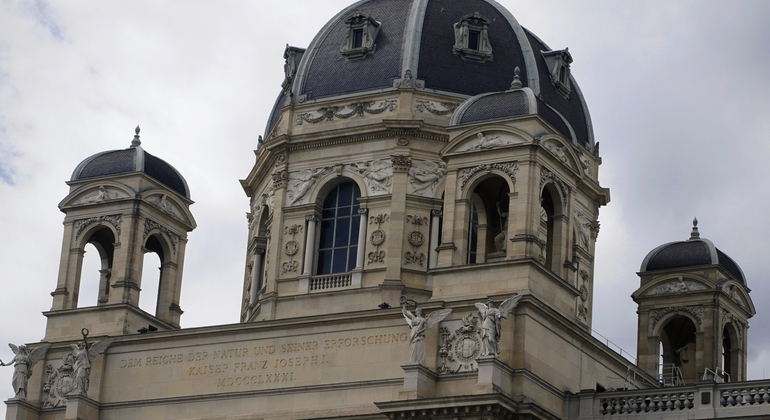
The thread, in Vienna's case, is the Habsburg Dynasty. One family shaped this city across four centuries. The Ringstrasse, the sweeping boulevard that frames the old city center, was personally commissioned by Emperor Franz Joseph to make Vienna resemble the capital of a great empire. Without knowing that, it's just a very wide road. Free tours in Vienna are really a crash course in why everything looks the way it does.
From there, a local expert guide fills in the human stories: who Franz Joseph actually was, why Empress Elisabeth, also known as Sisi, became more famous than him, and why the Habsburg Empire's collapse after WWI left Vienna as the grand capital of a suddenly very small country.
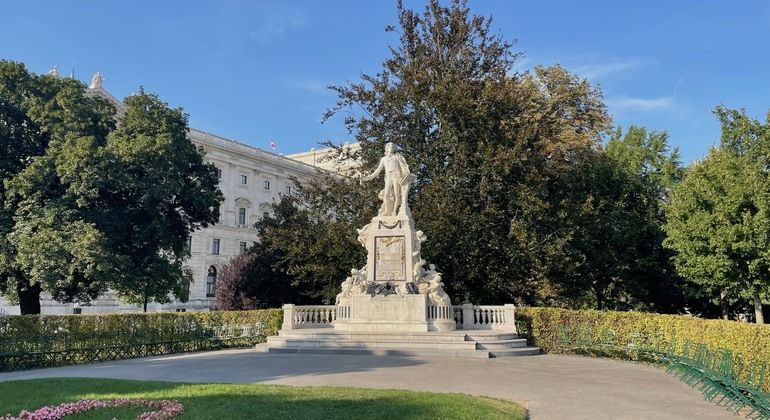
Then there's the music. Ludwig van Beethoven, Johann Strauss, and Wolfgang Amadeus Mozart — this city shaped two centuries of sound as a true Classical Music Capital. Walking tours in Vienna focused on cultural traces all of it through actual streets and buildings, which makes it stick in a way a Wikipedia page simply won't.
And the guides will always know where to find real Kaffeehauskultur — not the tourist trap on the main square, but the places locals have been sitting in for decades.
Key Landmarks & Imperial Architecture
- Stephansdom. It is where most tours begin — hard to miss, harder to walk past without stopping. Up close, the carved stone and tile roof hit differently than any photo suggests. Your guide will get into what's underneath it (more than you'd expect) and the unlikely story of how it came through World War II largely intact while the streets around it didn't.
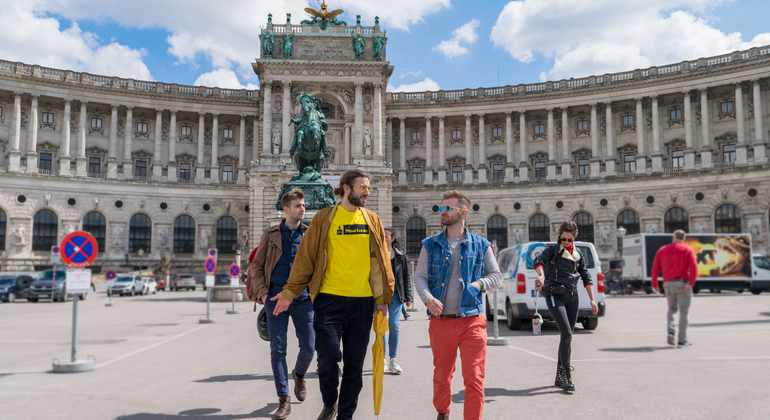
- Hofburg Palace. It is the massive former winter residence of the Habsburg court. Tours cover the courtyards and exterior facades. The interior museums (the Imperial Apartments, the Sisi Museum, the Imperial Silver Collection) require a separate ticket. If those are on your list, book skip-the-line tickets in advance. They're worth it, but the queues on busy days are genuinely punishing.
- Vienna State Opera. It sits on the Ringstrasse and has the slightly unusual distinction of being considered an embarrassment when it opened in 1869. Both architects died before it was completed; one by suicide, one from the stress of the criticism. Vienna then spent decades celebrating it as a masterpiece.
- Michaelerplatz. It is the kind of place most people cross without looking down. But there are Roman ruins visible through a glass panel in the pavement — two thousand years of city, right under your feet. The square opens directly into the Hofburg complex, which means you're standing at one of the most historically loaded thresholds in Vienna without it announcing itself at all.
- Schönbrunn Palace and Belvedere Palace. They are not part of the standard city center walking tour in Vienna. Both require a U-Bahn ride to reach. But they're absolutely worth visiting; they're just a different trip. FREETOUR.com lists dedicated tours for both. Check those separately.
Cultural Experiences & Viennese Flavors
- Kaffeehauskultur. It has UNESCO recognition, which sounds dry until you actually sit down in one of the old ones. No queue, no background playlist, no subtle pressure to free up the table. Marble tops, bentwood chairs, a waiter who checks on you once and then leaves you entirely alone. People spend hours here over a single coffee and nobody thinks anything of it. Order a Wiener Melange (espresso with steamed milk and a little foam). Sachertorte or warm Apfelstrudel alongside it, and you've done the thing correctly.
- Street Food. At some point, you will also find a Würstelstand with Käsekrainer. There are also great places to try Wiener Schnitzel. Your guide will know a good one nearby, as well as which Heuriger wine taverns are best for a visit.
Top Itineraries and Routes to Choose From
- Vienna Highlights Walking Tour. It is the general introduction that includes major landmarks, two hours, and the historic center. Right choice if it's your first day and you want to understand the layout before going deeper.
- Imperial Vienna Tour. More time on the Habsburg story specifically: the Hofburg complex, the Ringstrasse, the arc of the imperial family from its peak through its collapse. Good for anyone who finds themselves wanting more history.
- Vienna Old Town Walking Tour. It is about the older, narrower parts of the Innere Stadt. Medieval street plans, plague columns, and courtyards that don't appear on most maps. Slower pace, less obvious material, more atmosphere.
- Vienna Culture and Music Tour. Traces Mozart, Beethoven, Strauss, and the Wiener Staatsoper through the actual geography of the city. Sometimes includes post-tour recommendations for the Albertina museum or the Museumsquartier (MQ), depending on the guide.
What to Expect on Your Walk
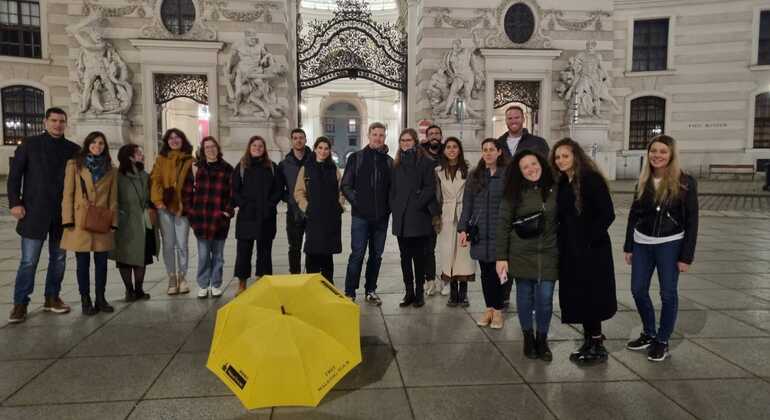
- Typical details. Free walking tours in Vienna run 2 to 2.5 hours, cover 2–3 km, and typically have 10–25 people in the group. Small enough that you can hear the guide, ask questions, and not feel like you're being herded.
- Wear proper shoes and bring layers. The Innere Stadt is paved with cobblestones, and they're uneven in the specific way that becomes a problem about an hour in if you're wearing the wrong thing. The elegant Graben & Kohlmarkt shopping streets are pretty and hard on the feet simultaneously. Also, the Viennese wind along the Ringstrasse has a way of making you wish you'd brought a jacket even in May. In July and August, book morning tours, as the afternoon heat on stone streets is a different experience, and not a better one.
- Cash culture. It is alive in Vienna. Sausage stands, traditional cafés, smaller shops — many don't take cards. So, bring euros, small denominations, sorted before you go out. The pay-what-you-wish model works in walking tours in Vienna because the guides depend on it. They're not collecting a salary. Tip generously if the tour was good, and in Vienna, with this much to talk about, it usually is.
A Seasonal Guide to Exploring the Austrian Capital
- Spring. April and May bring mild weather, open café terraces, and a city that hasn't yet hit its summer tourist peak.
- Summer. If you're visiting in July or August, book morning tours. Afternoons on the Ringstrasse can be genuinely exhausting, as the stone reflects heat, there's not much shade, and the crowds are at their thickest.
- Autumn. September and October, especially, are underrated. Comfortable temperatures, softer light, and far fewer people in the way.
- Winter. In December, the Christkindlmarkt transforms Vienna. Christmas markets appear at the Rathaus, at Schönbrunn, at Freyung Square. The whole city smells like hot wine and roasted chestnuts. A walking tour in December is one of those experiences you'll mention for years afterward.
Pro Tips for Choosing and Booking
- Book early. December especially, but also the peak summer weeks.
- Match the tour to what you actually care about. The Highlights tour is for orientation. The Imperial tour is for people who want Habsburg history in depth. The Culture tour is for music and art. Picking the right one makes a bigger difference than most people expect.
- Read the reviews properly. When multiple people mention the same guide and say the same things, that's a signal to book a particular free tour in Vienna.
- Show up ten minutes early. Give yourself time to find the right spot. Tours leave when they're scheduled to leave.

- Free Tours in 140+ countries!
- Trusted ratings & reviews!
- Free booking 100% guaranteed!
- FAQs about free tours in