Best Free Walking Tours in Lima
39 tours in Lima, Peru, in English and other languages









3,888 Reviews in Lima
Does the tour include the UNESCO-listed Historic Centre?
Yes, the walks almost always include the UNESCO-listed historic centre of Lima. There you will see colonial buildings and main squares. The guide will tell you about their cultural significance.
Are the San Francisco Catacombs part of the walk?
Yes, the catacombs of the monastery of San Francisco are included, for example, in the “Historic Lima Free Tour”. This is one of the most impressive places in the city. Here you can learn about the religious history of Lima.
Do tours explain Lima’s colonial vs. modern contrast?
Yes, the guides pay attention to the difference between the old colonial architecture and the modern areas. This will help you see how the city has developed over the centuries. The contrast makes Lima especially interesting for tourists.
What safety tips do guides give for visitors?
Typically, the guides recommend being careful with your personal belongings and avoiding deserted places at night. They also give advice on using official transport. These measures will make your walks comfortable and safe.
Is street art in Barranco or Miraflores featured?
Yes, street art in the Barranco and Miraflores areas is often included in separate tours, such as the “Free Walking Tour Barranco: Graffitis & history”. Here, guides will show you contemporary graffiti and tell you about its authors. This will give you a chance to see the creative side of Lima.
Discover a Capital Split Between Kings, Cliffs, and Creative Districts
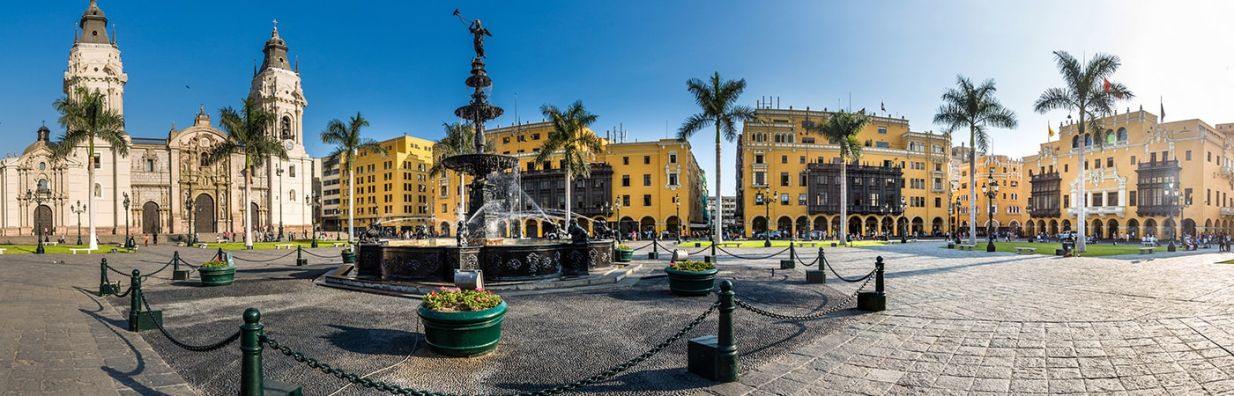
Lima is almost like two cities connected. On one side, you have Plaza Mayor, with the old Spanish colonial architecture from the historic centre of Lima, and on the other side, Barranco, where you can walk along the Bridge of Sighs and see street art all around you. Taking a free walking tour in Lima helps connect these different areas — from history to ocean views of Miraflores and Barranco.
Why Take a Walking Tour in Lima?
Many people ask themselves, "Why would I need a guide? I can go wherever I like." Yes, that makes some sense. However, everything becomes clearer after someone has explained things to you. And that is basically the entire purpose of taking free tours in Lima.
- District contrasts. The change from the old historic center to the new coastal areas is quite dramatic. You can easily miss the reason for this change in the city until someone tells you about it.
- Subterranean heritage. There is underground tunneling below one of the oldest churches in Peru. Honestly, you would probably never find these tunnels, nor be able to understand what they are if you were walking alone.
- Bohemian identity. Although the murals around the bohemian section of town look great in photos, they actually represent something once you have heard the story behind them.
- Safety & navigation. On free walking tours in Lima, your guide will inform you which streets to avoid as soon as night begins to fall, or tell you to keep your phone close. These are small pieces of advice, but they do help.
- The gastronomic link. The food that has made Lima world-famous didn’t get that way overnight. When you begin walking throughout the city, you will see how the coastline and its cuisine connect with each other.
Lima of Two Speeds: Colonial Power vs. Coastal Modernity
The Lima of Kings: UNESCO Heritage and Subterranean Secrets
Downtown's older area is known as the historic centre of Lima. This is the exact place where this entire city originated. The area remains called the "City of Kings," which was how the Spanish government referred to this location while they were running things here.
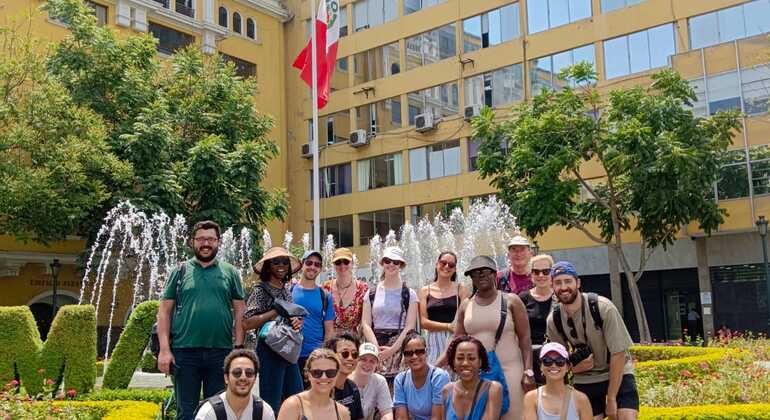
Pretty much everything sits around Plaza Mayor. It has been witness to many events, including protests, executions, and celebrations, and today, generally speaking, it hosts large numbers of tourists who take pictures of the historic buildings and pigeons flying overhead. There is also the Government Palace (Palacio de Gobierno) with its uniformed guard. If you arrive around noon, you will be able to see the changing of the guards.
The second largest tourist attraction within walking distance of the Government Palace is the San Francisco monastery & catacombs. Underneath the monastery church are tunnels that contain thousands upon thousands of skeletons. They have taken these skeletons and placed them in organized patterns throughout the tunnels. Reading about it is one thing, but being so close to such a site makes for an entirely different experience.
The Lima of Cliffs and Art: Barranco and Miraflores
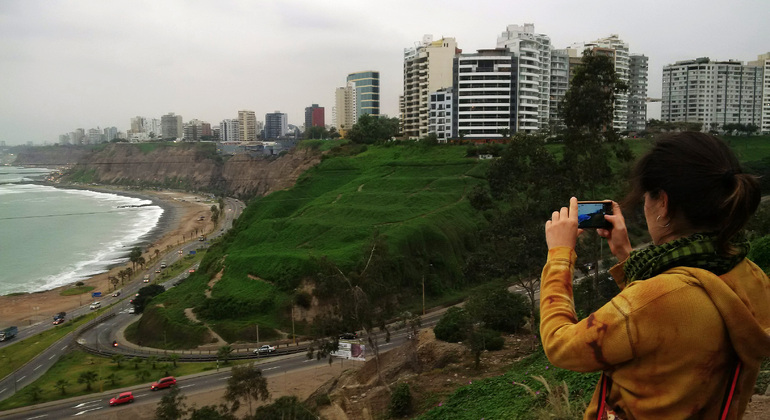
Moving from the historic center to the coast, you suddenly feel like you have entered a completely different city. Once an old fishing village and weekend getaway for the wealthy, the Barranco district is now home to many galleries and bars and has some of the most striking street art & contemporary graffiti covering entire building walls. A little further along, the Miraflores district does the exact opposite — glass towers, meticulously maintained parks and cliff-side walkways that literally hang above the water. There is something odd about being right in the middle of these two districts, like someone cut and pasted two totally separate decades together.
Beyond the Facade: The Pre-Hispanic and Gastronomic Soul
- The Huaca layer. Layered beneath apartments in Miraflores is Huaca Pucllana, a massive pre-Inca adobe pyramid. This structure predates the Inca Empire by well over 1,000 years. The city simply evolved around it. And that is an interesting commentary on how Lima regards its history. While it doesn’t always present a clean and orderly image of itself, it also doesn’t completely erase the remnants of what came before.
- The world's food capital. Peruvians refer to Lima as the food capital of the world, and that title is certainly more than a marketing term. For generations, chefs have blended native Peruvian ingredients with culinary influences from Spain, China, and Japan to create a style of cuisine that is both unique and representative of Peru. Whether you are enjoying a dish of ceviche accompanied by a pisco sour cocktail or viewing artifacts at a museum, you will be experiencing a taste of Peru.
Choose Your Narrative: Custom Storylines for Lima
Many travelers don’t want the same experience, and honestly, that is the right decision:
- For first-time visitors. Stay close to downtown, where you can see the Main Plaza, the Cathedral, the Colonial Palaces, and other attractions that made this city the regional hub of political power for centuries.
- For art & graffiti lovers. Follow a route in Barranco that takes you to the street art murals and introduces you to the artists creating them. Less historical walking tours and more creative walks.
- For history purists. Dig into the viceroyalty, visit the catacombs, explore the religious architecture, and everything in between.
The Logic of Contrast: Why Lima Works Best as a Guided Walk
If you simply check off all of Lima's locations as if they are an endless checklist, then you will be missing the true purpose of traveling through the city. In Lima, you can literally see and feel the change from the old, yellow-walled center of town down to the cliffside neighborhood overlooking the sea. Therefore, taking a walking tour in Lima is a great way to connect these distinct areas despite the distance, making you feel as though you have traveled back in time.
Practical Rhythm: Navigating Districts and Safety
A few practical things, which are way more important than most people think:
- Safety protocol. Guides on walking tours in Lima will review some general safety tips like zipping up your backpack, keeping your phone out of sight in busy areas, and avoiding dark side streets at night. Sounds obvious, until you have forgotten about it.
- Climatic identity. Lima has its garúa, which is a grey mist. It is coastal, and it is close to the equator, but don’t assume clear skies every day. Just bring a light jacket just in case.
- Booking. Before booking anything, research the languages in which your tour will be conducted and what actual areas the tour will take place in. Tours also work on a gratuity-based model; therefore, you can leave an appropriate tip after completion.
Why Lima Stands Apart: A Living Coastal Palimpsest
There is no other capital in all of Latin America similar to this one — old colonial structures adjacent to the Pacific Ocean, and foods influenced by cultures for almost five hundred years. Take a free tour in Lima. No matter what interests you, FREETOUR.com offers guided tours throughout the entire city, including the catacombs located downtown and the murals found in Barranco.

- Free Tours in 140+ countries!
- Trusted ratings & reviews!
- Free booking 100% guaranteed!
- FAQs about free tours in